Animal Eyes
Commissioned for the University of Wyoming, Berry Biodiversity Institute
Laramie, WY
Completed 2016
Programming: Josh Miller
Illustration: Johanna Kindvall
Electrical engineering: Ryan Hickey
Animation/compositing: Alaric Heiss
3D Scanning: Scanable
Animal source geometry: Draper Museum of Natural History
Bronze casting: InvestCast Inc & Art Research Enterprises, Inc
Engineering: Malone Belton Abel P. C.
Landscaping and on site installation: Arcon Inc.
We see the world with a human centered bias. This work, situated on the grounds of the Berry Biodiversity Conservation Center, reframes the perspective to that of the native animals of Wyoming.
Animal Eyes is a multimedia piece that consists of 8 cast bronze sculptures, miniature LED displays, weatherproof optical housings, 4 computers with associated electronic hardware, custom made software, and informational graphics including QR tags and a website.
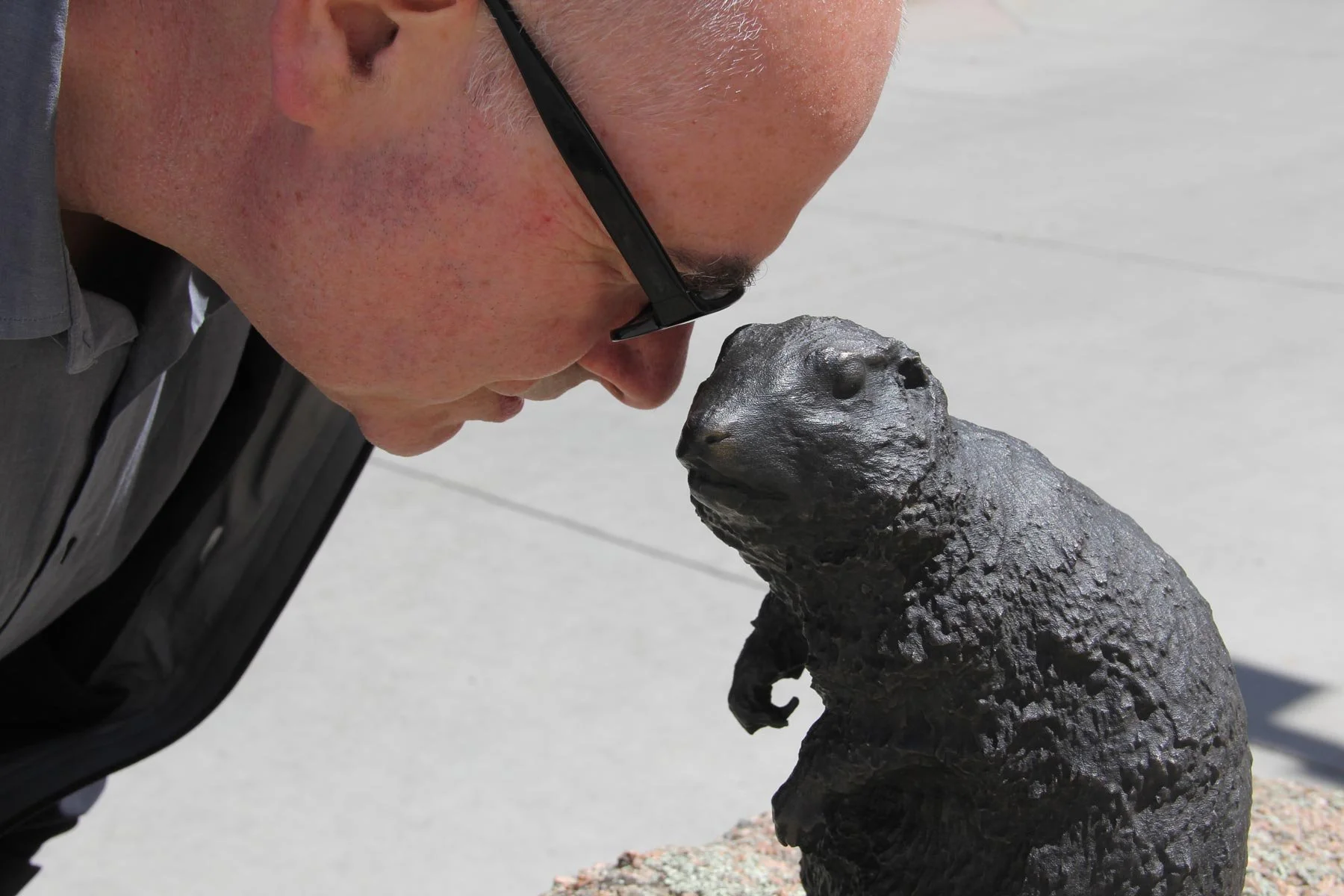
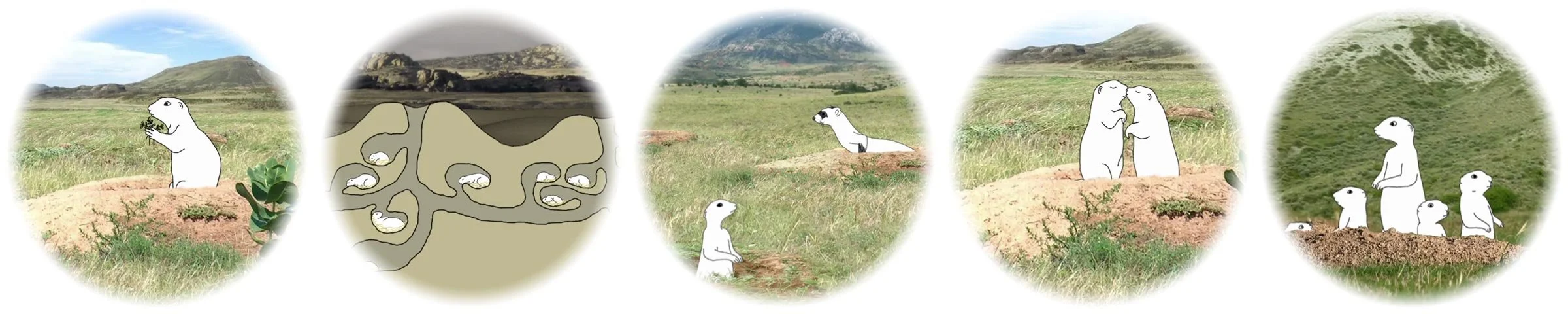
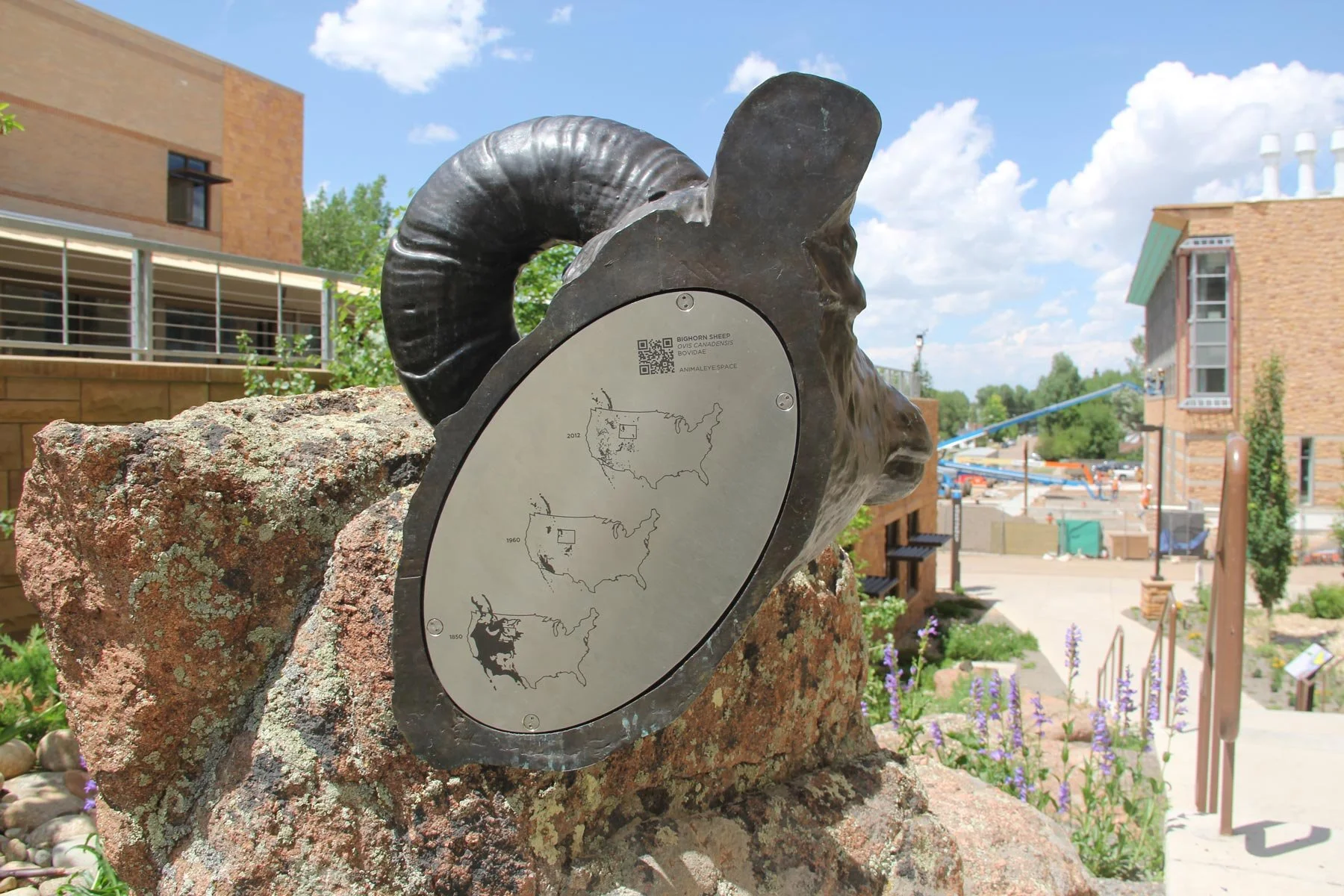
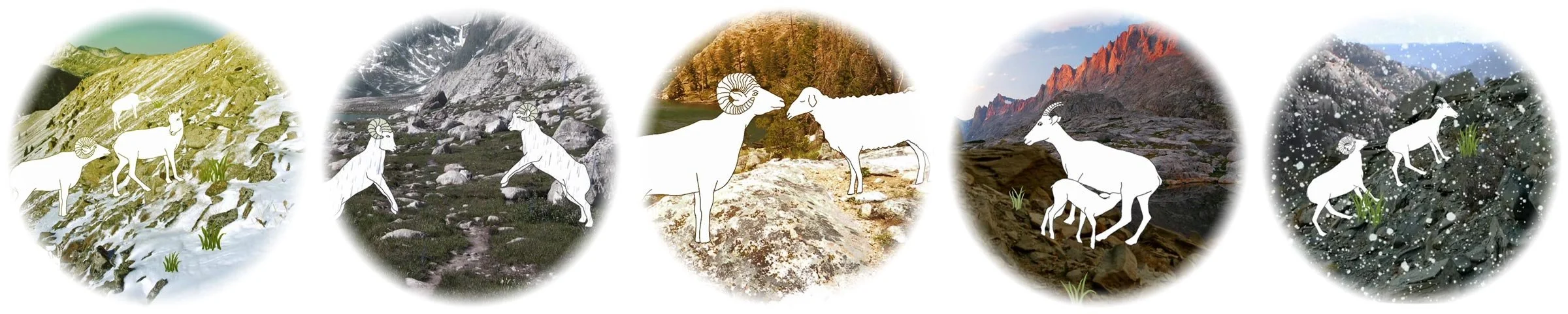
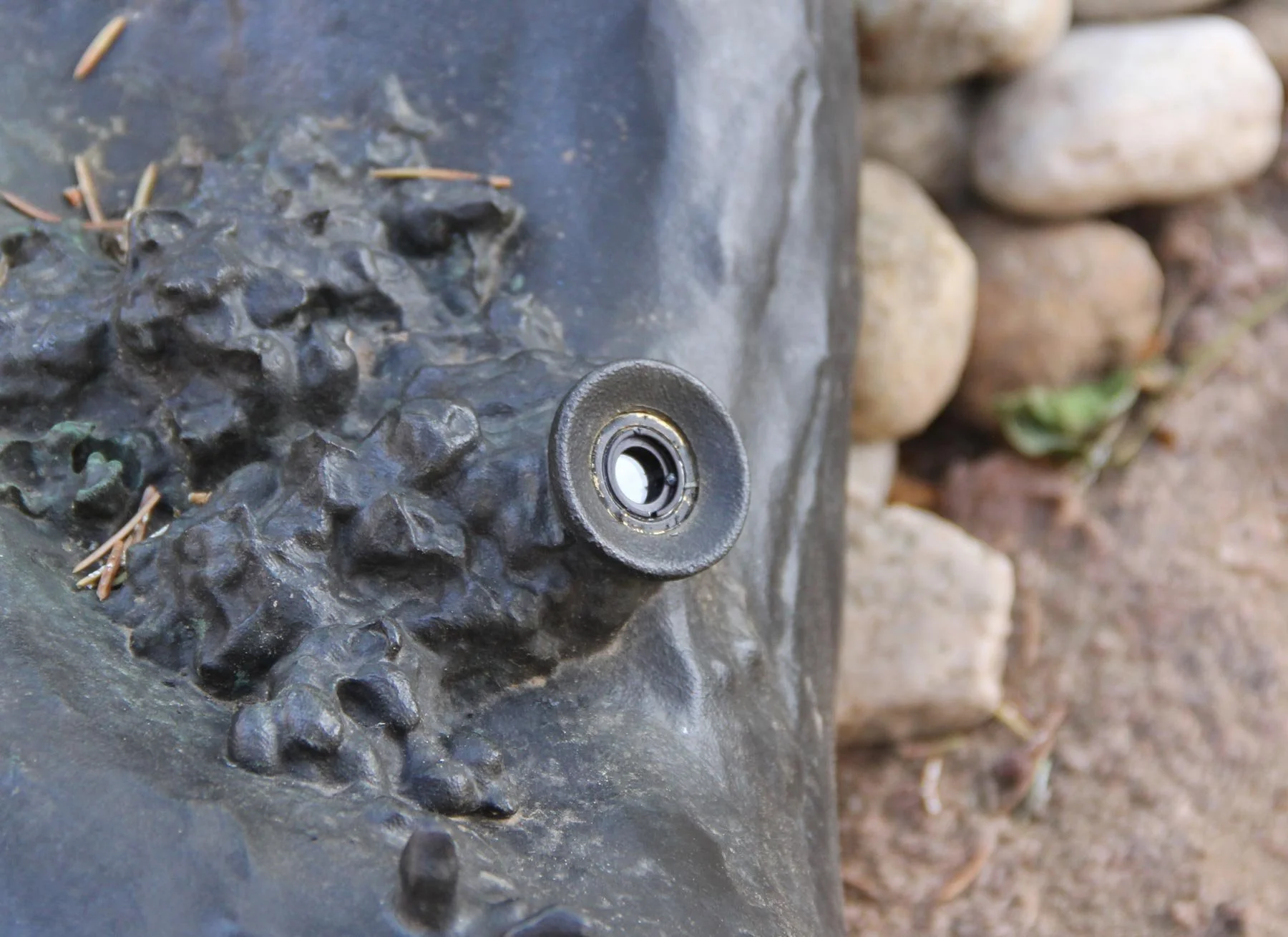
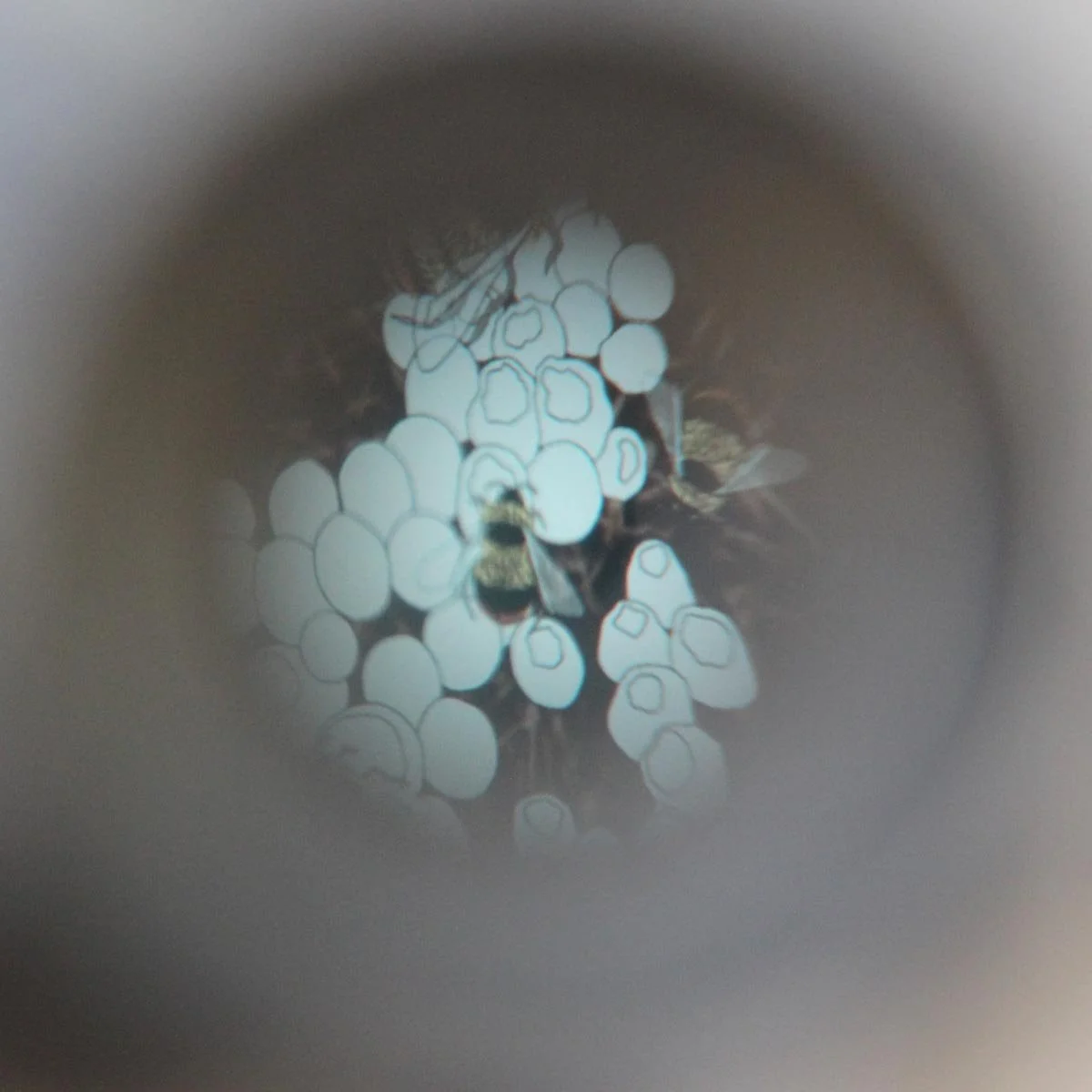
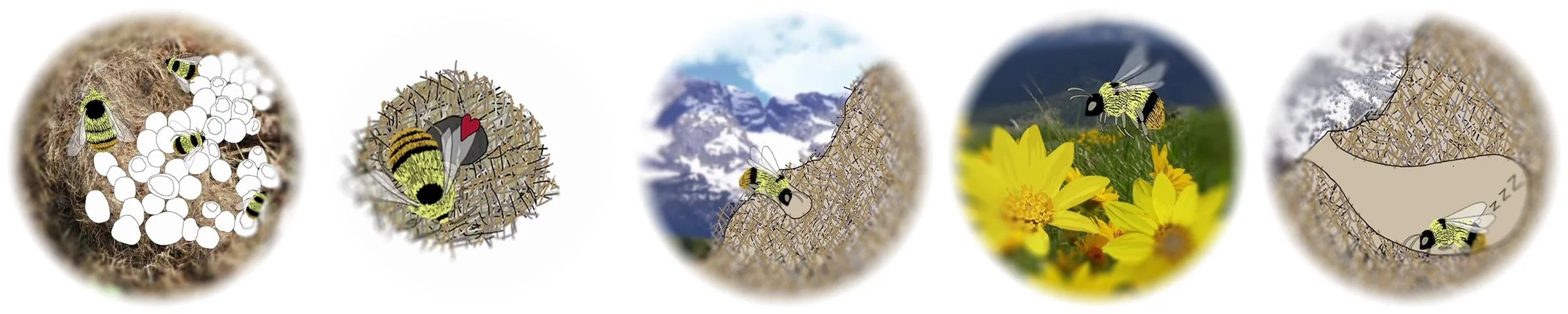
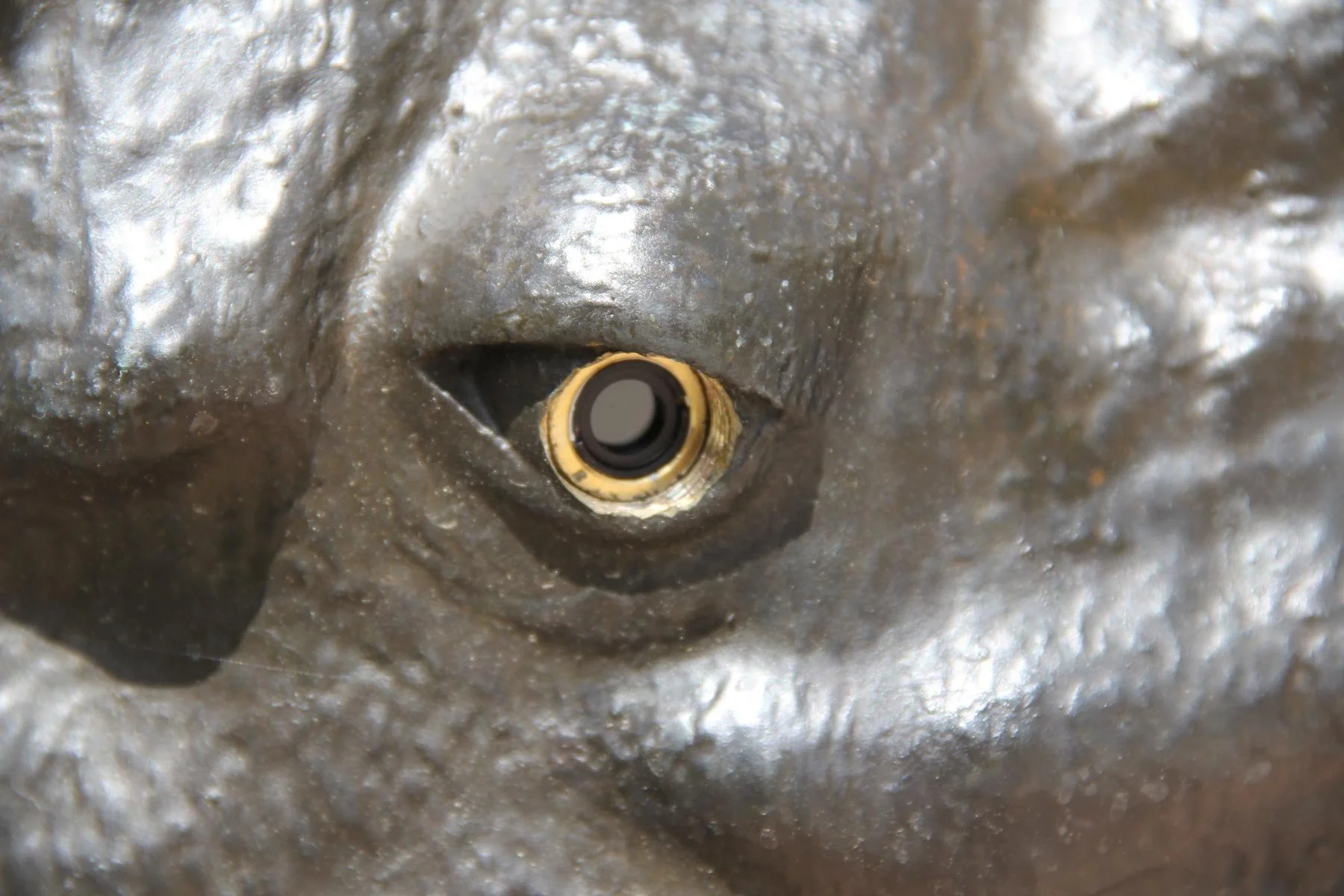
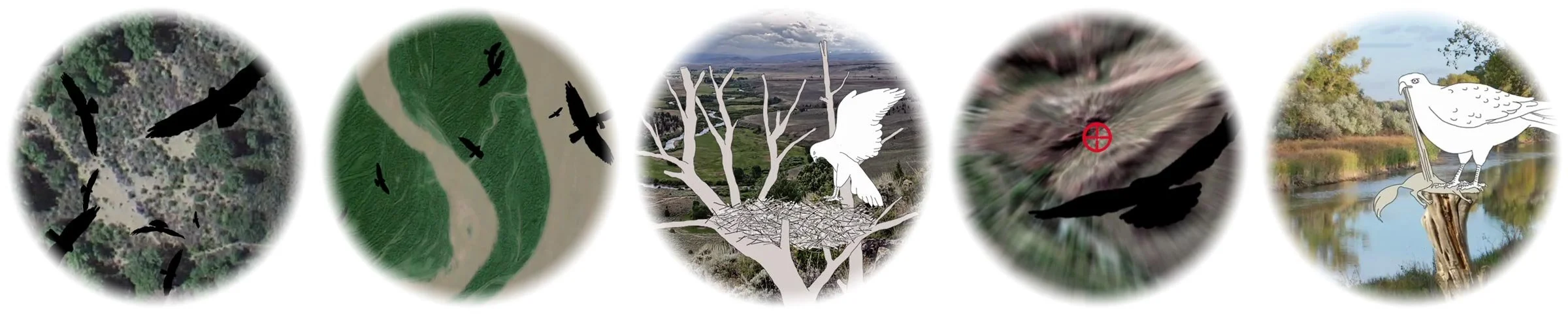
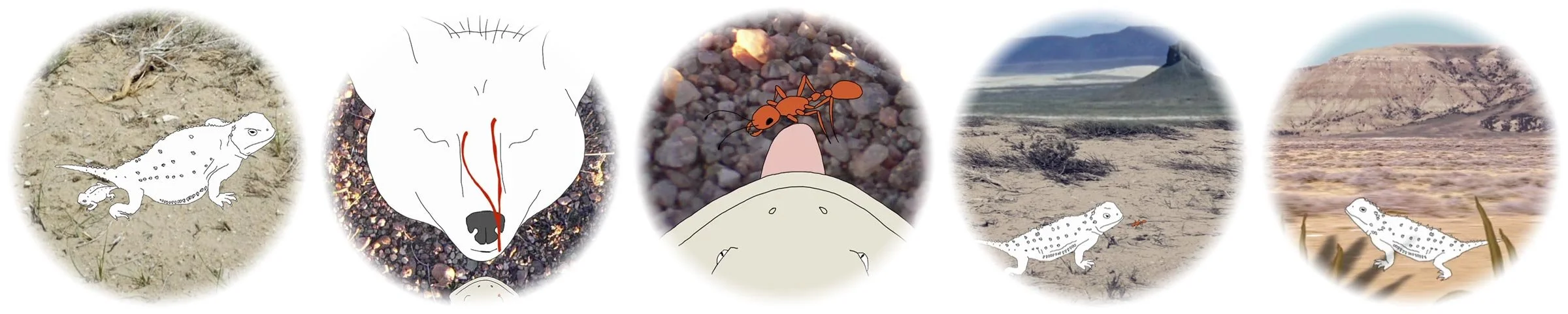
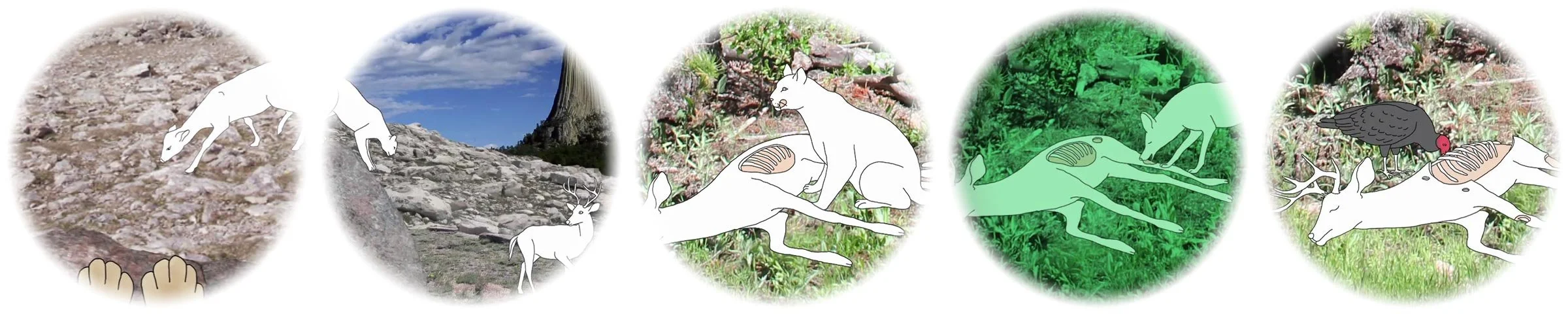
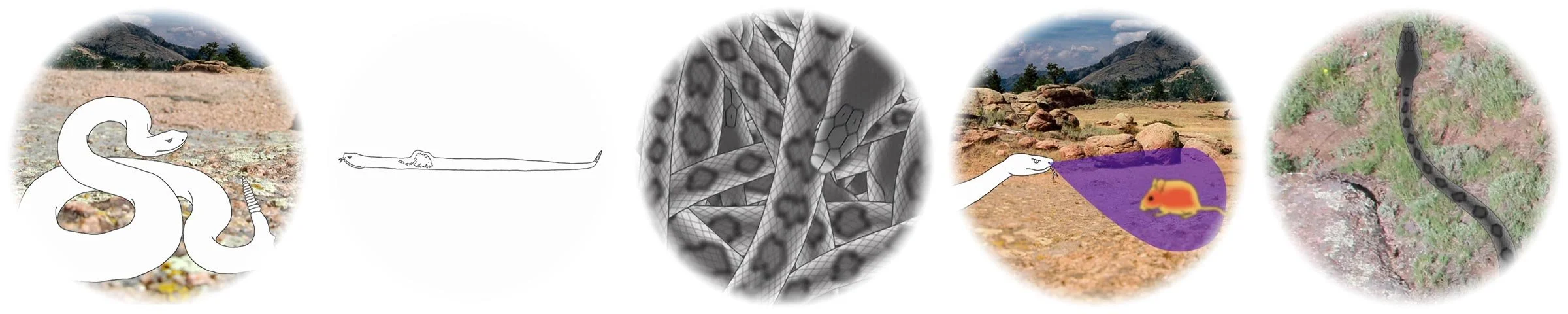
Each sculpture has small scope type display located behind one eye. When someone looks directly into the eye they will see a real-time representation of that animal’s environment. These animations are selected based on the current time of day, season, migratory activity, and weather conditions.
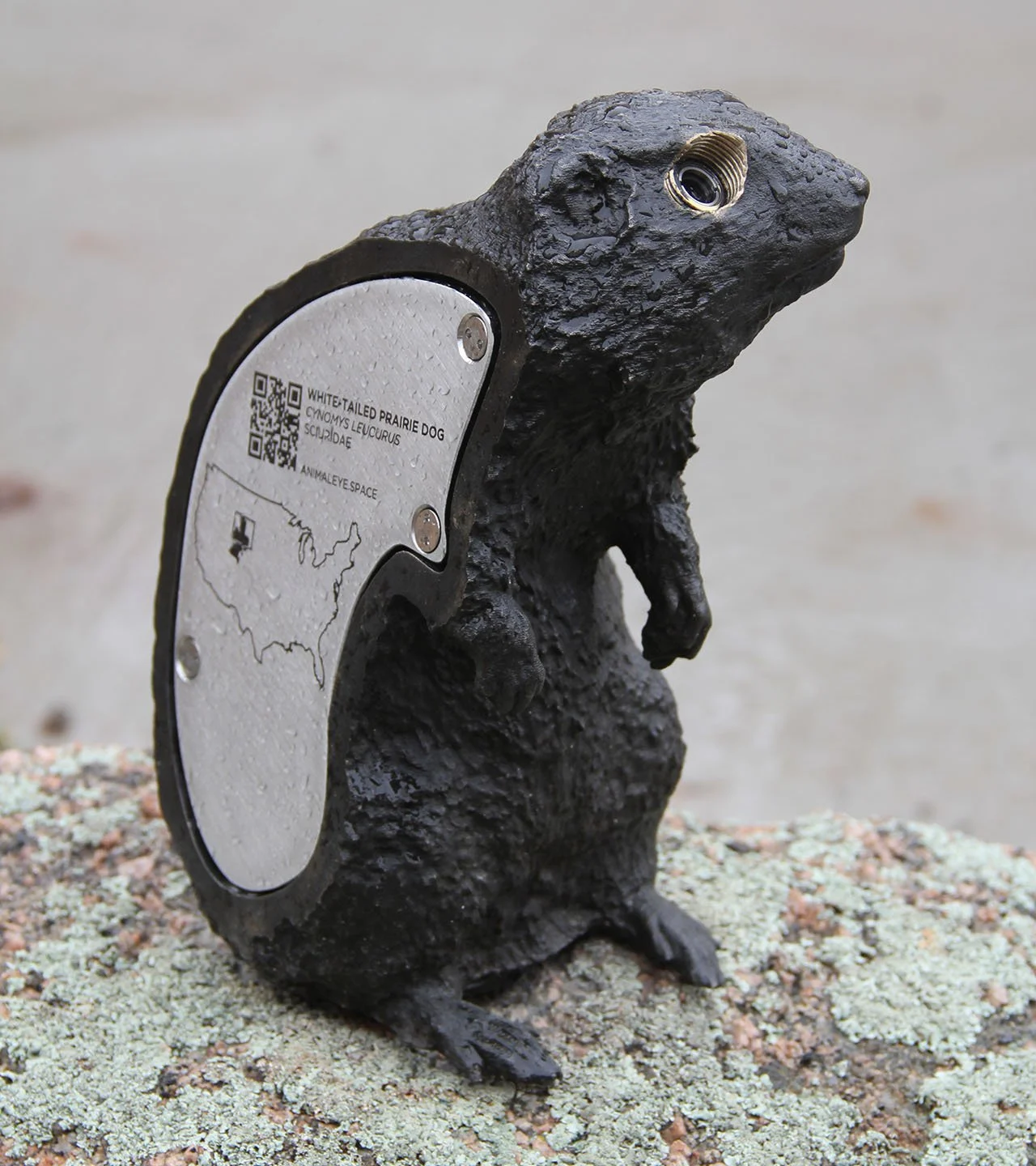
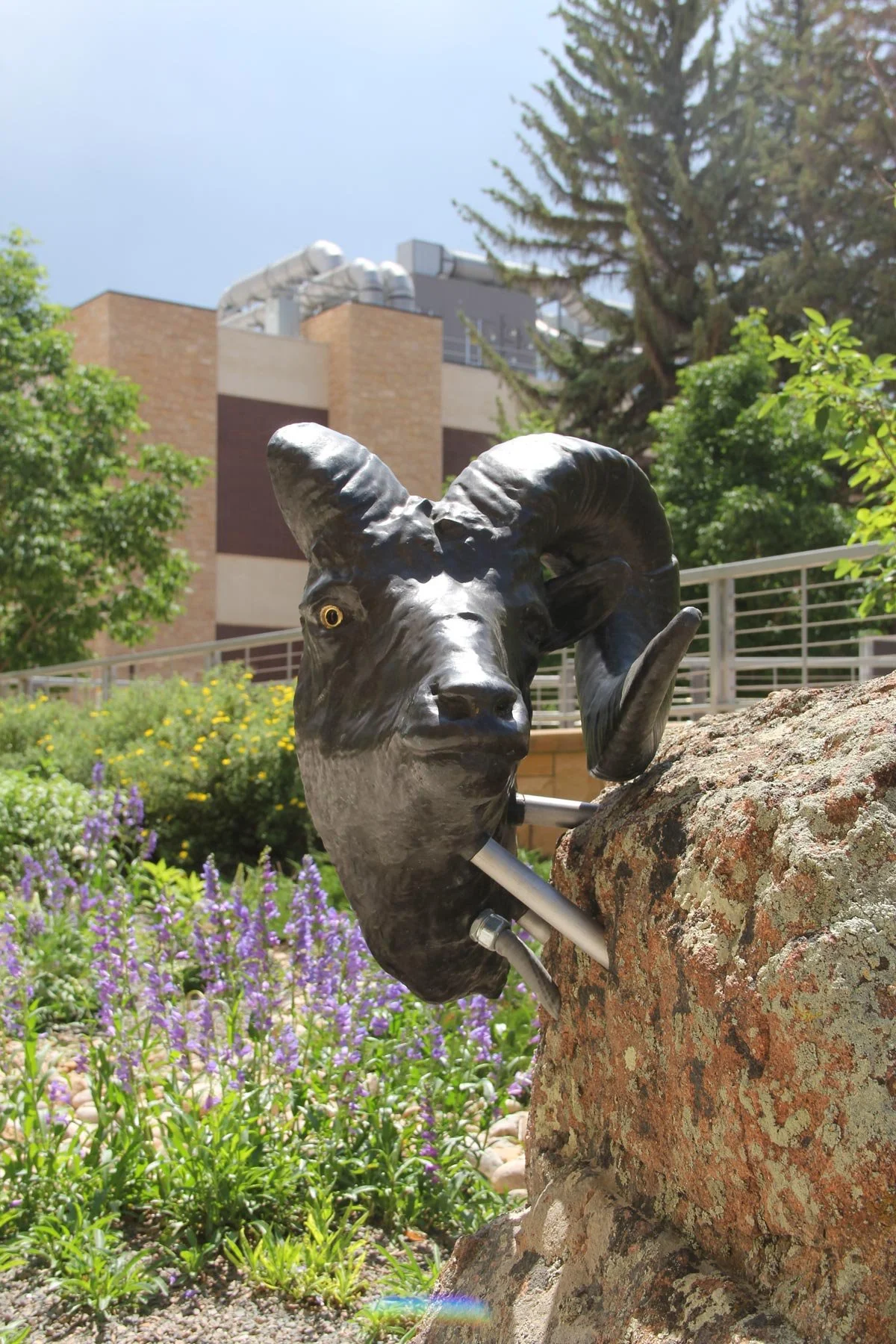
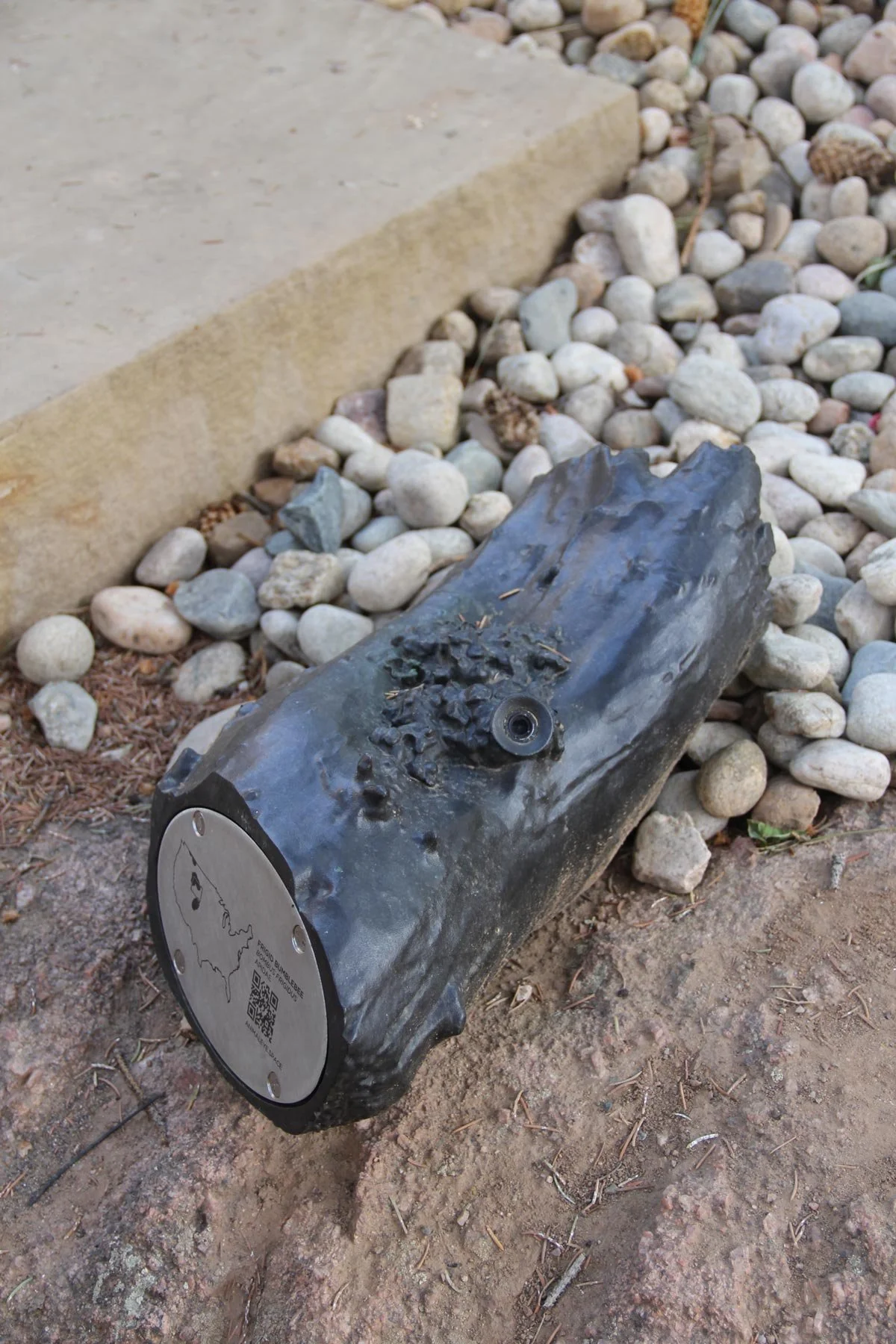
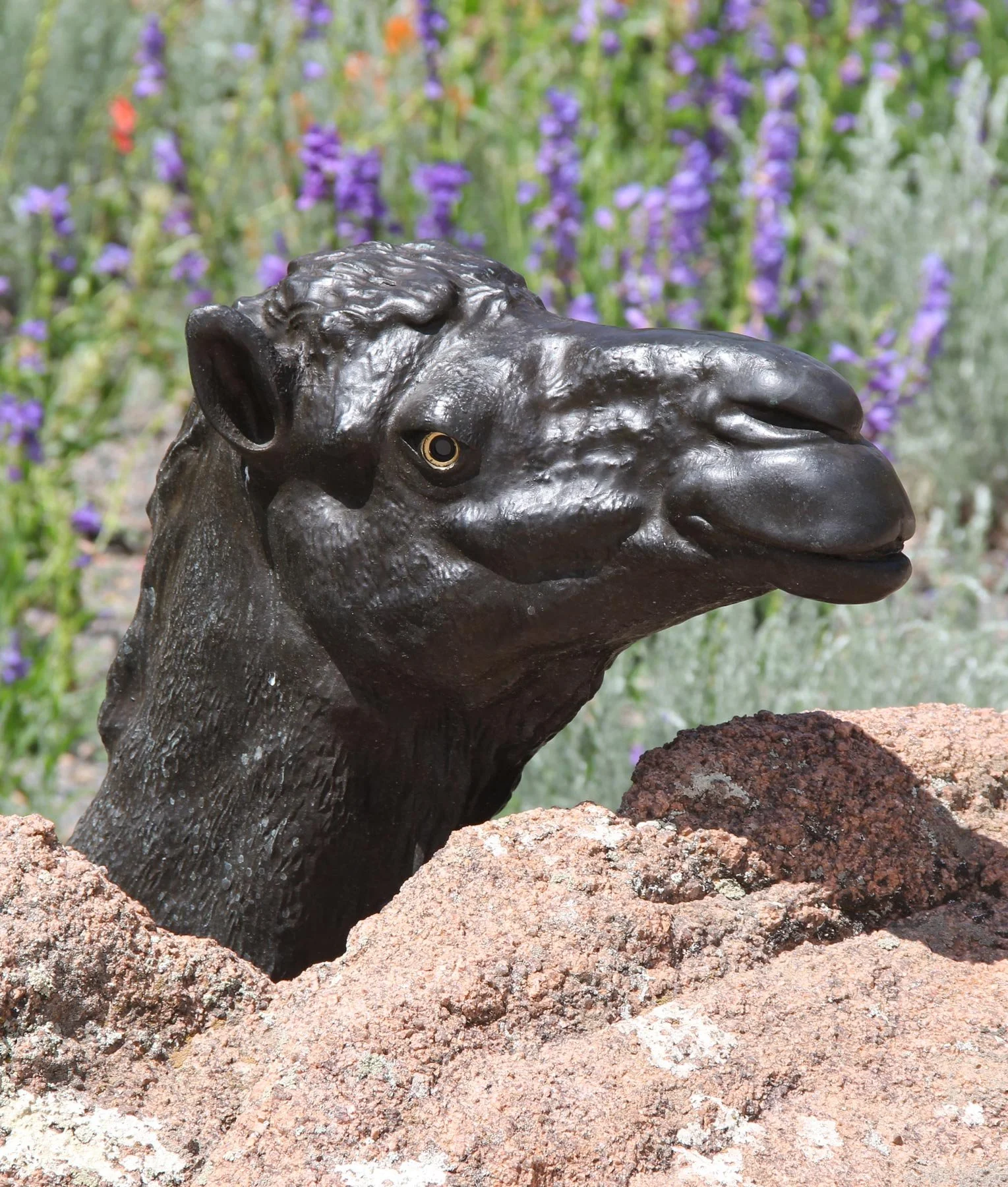
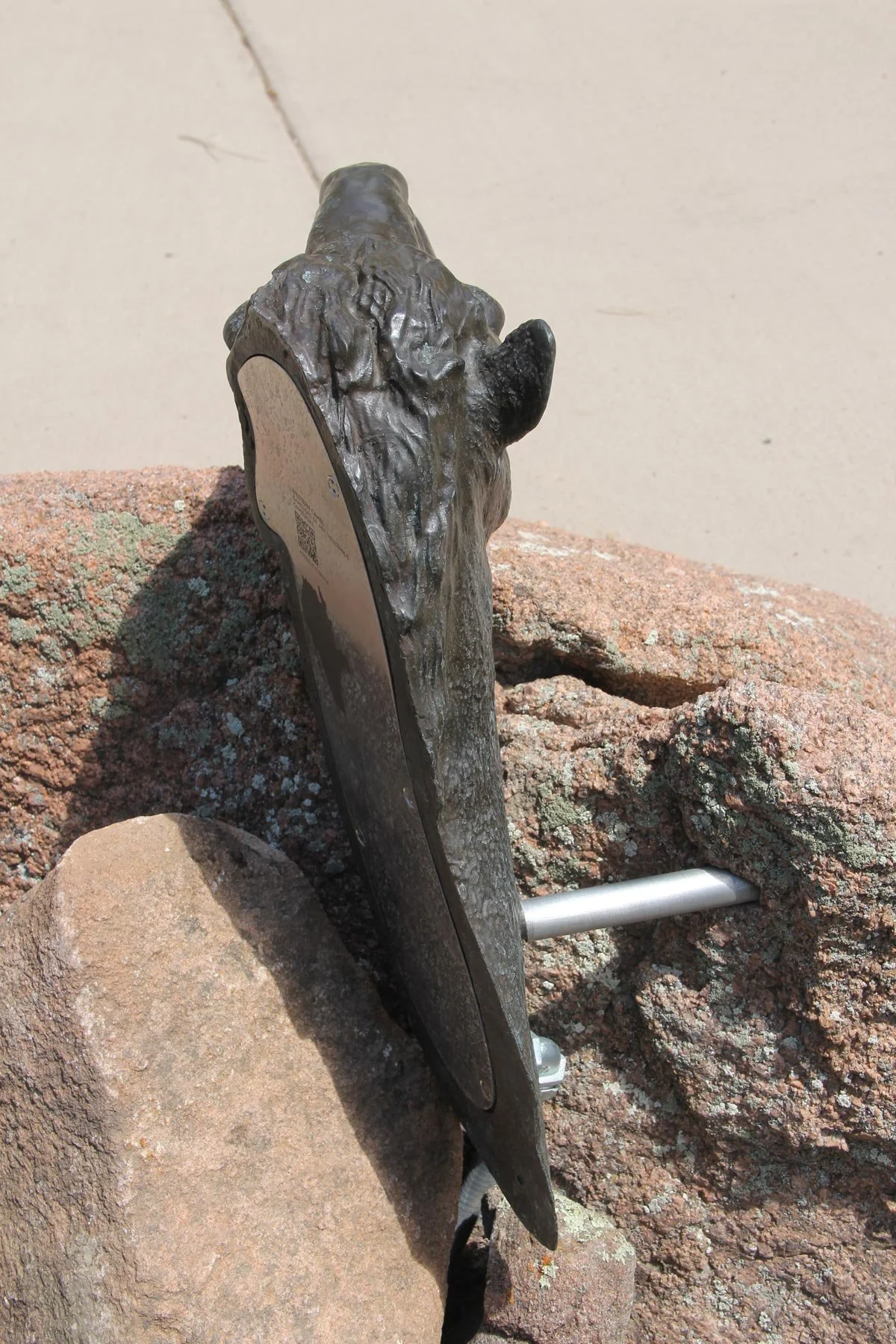
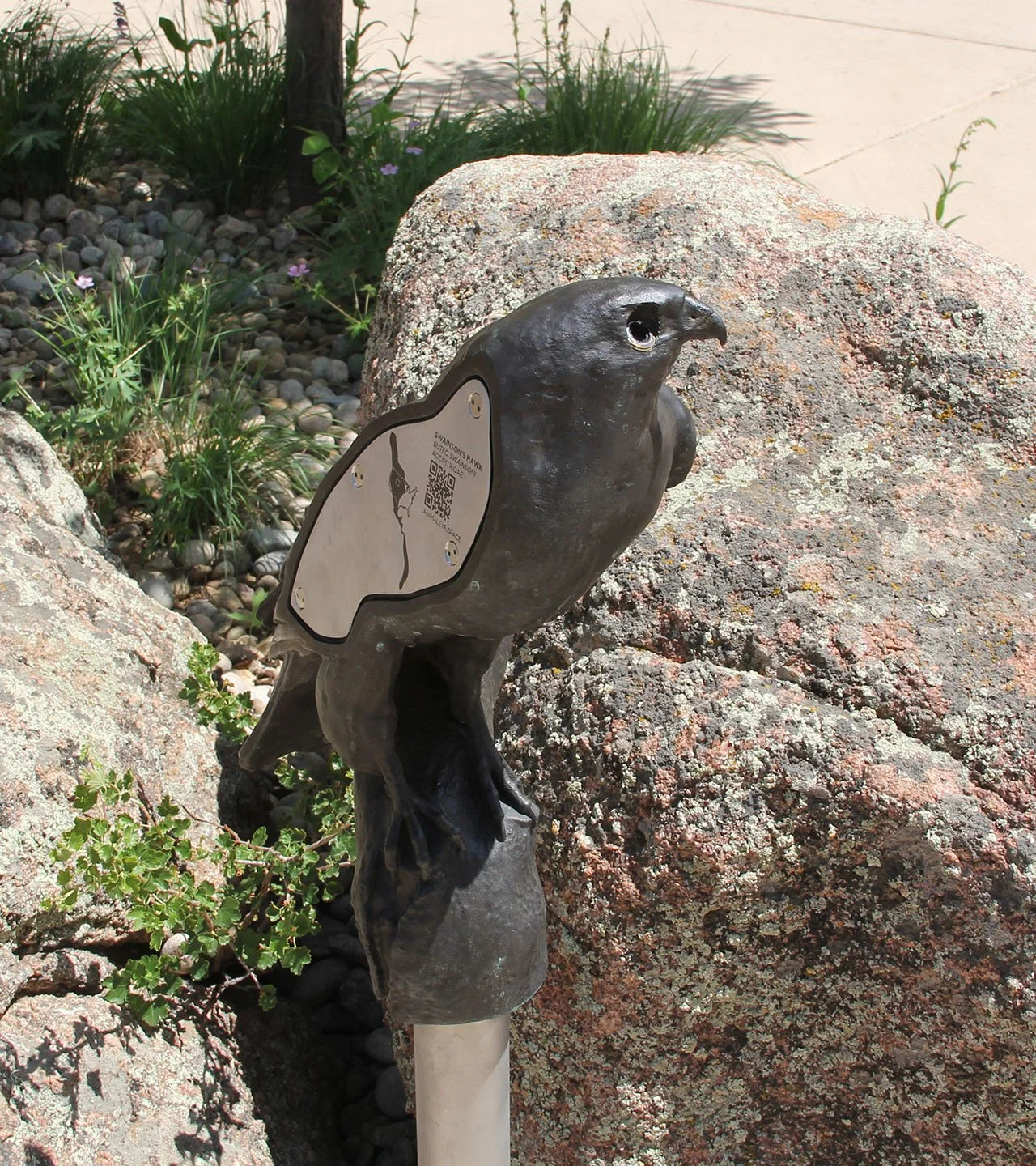
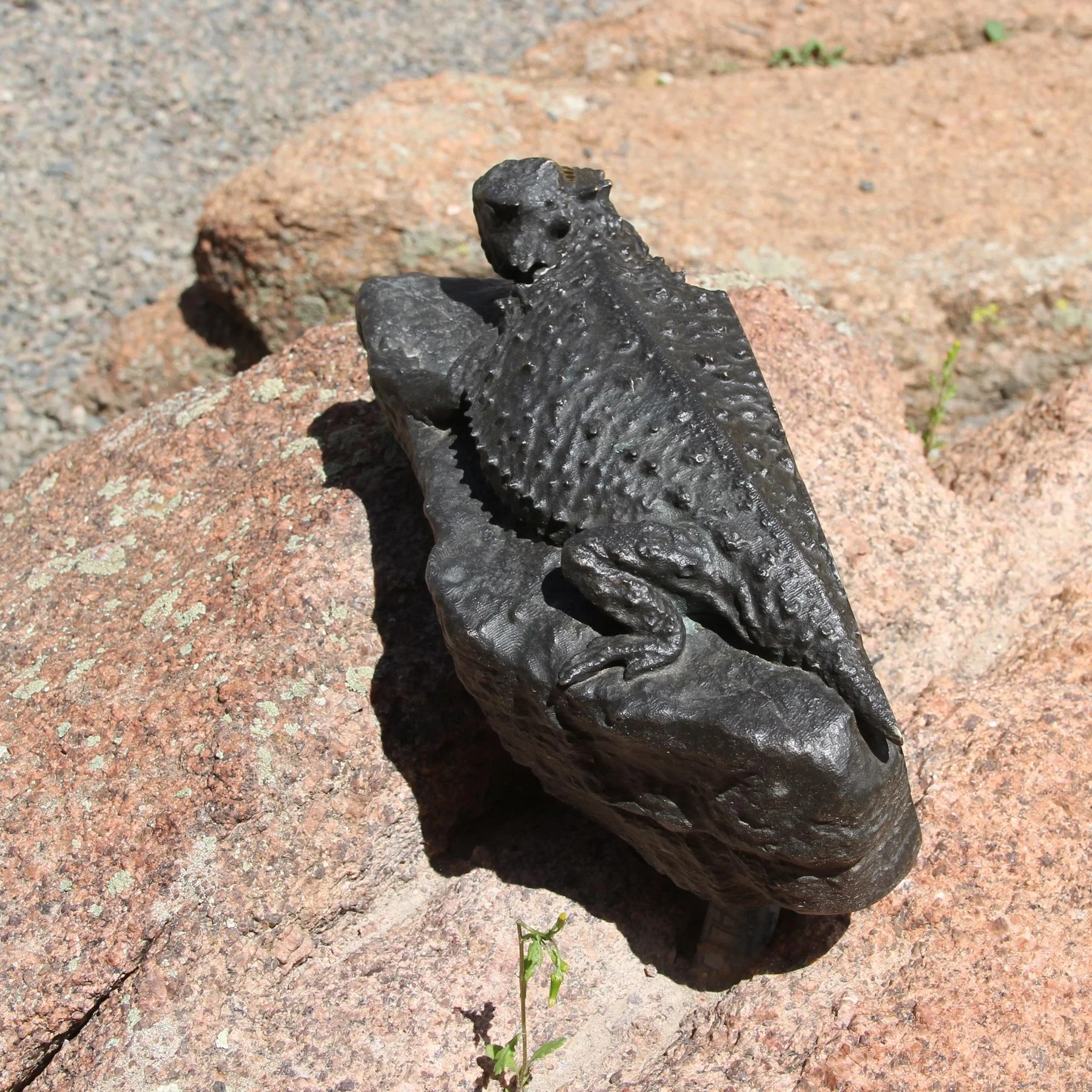
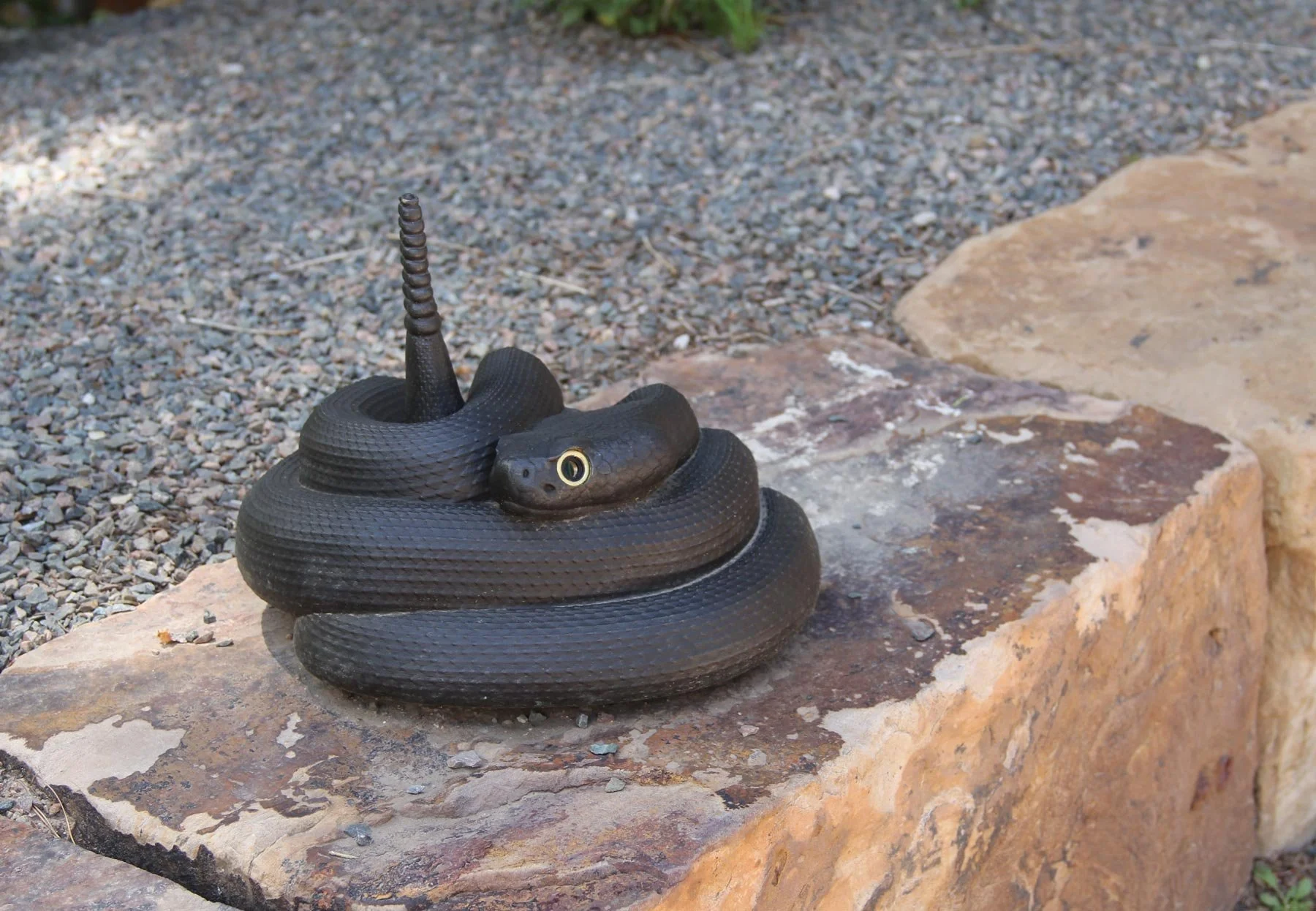
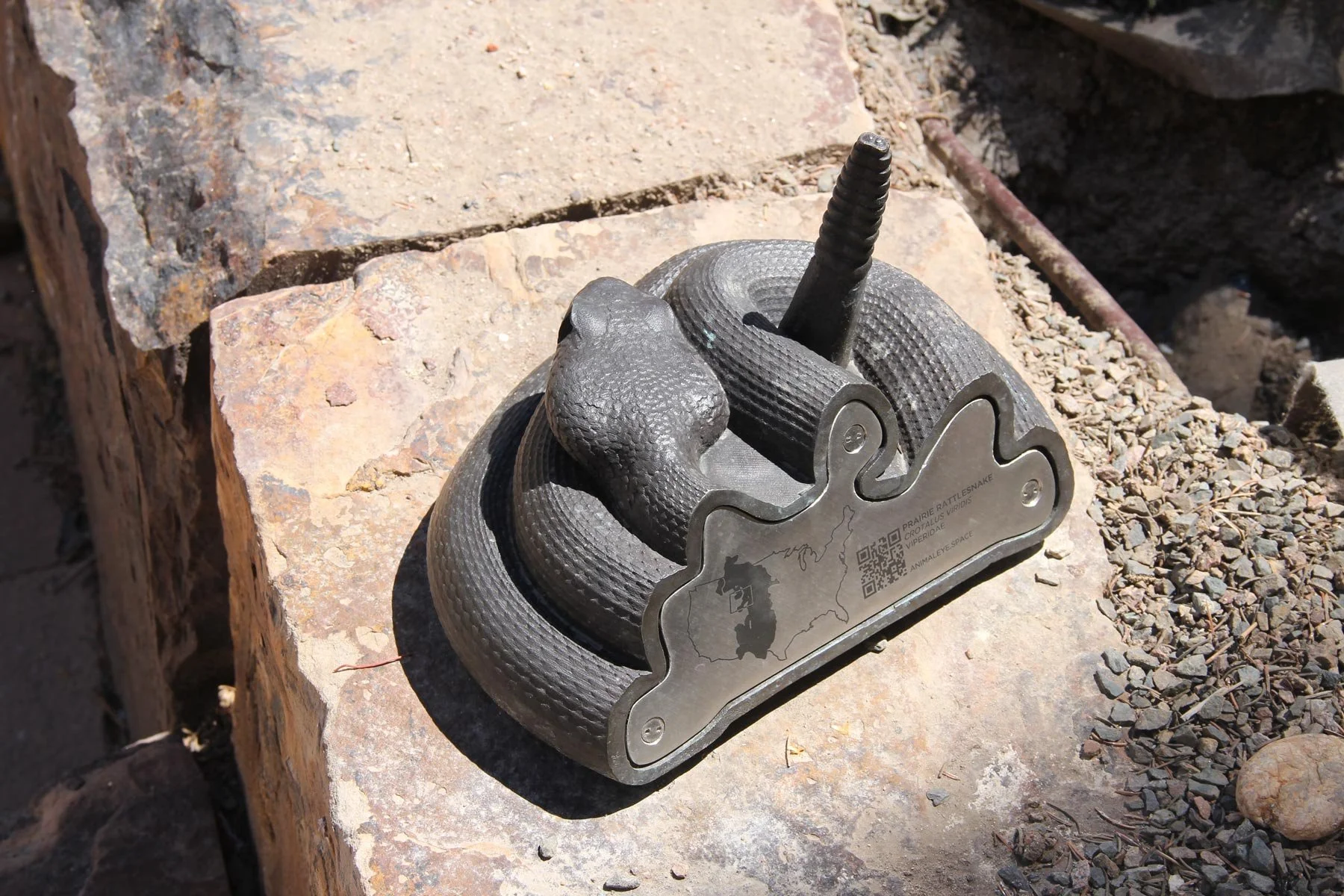
The animals include a prairie dog, puma, bumble bee, bighorn sheep, camelops, prairie rattlesnake, swainson’s hawk and horned lizard. The animals are bolted to existing boulders located around the center with the one exception of the puma being mounted to an interior wall. Stainless steel cover plates allow access to the interior components. The castings are all finished in a dark brown/black patina and waxed.
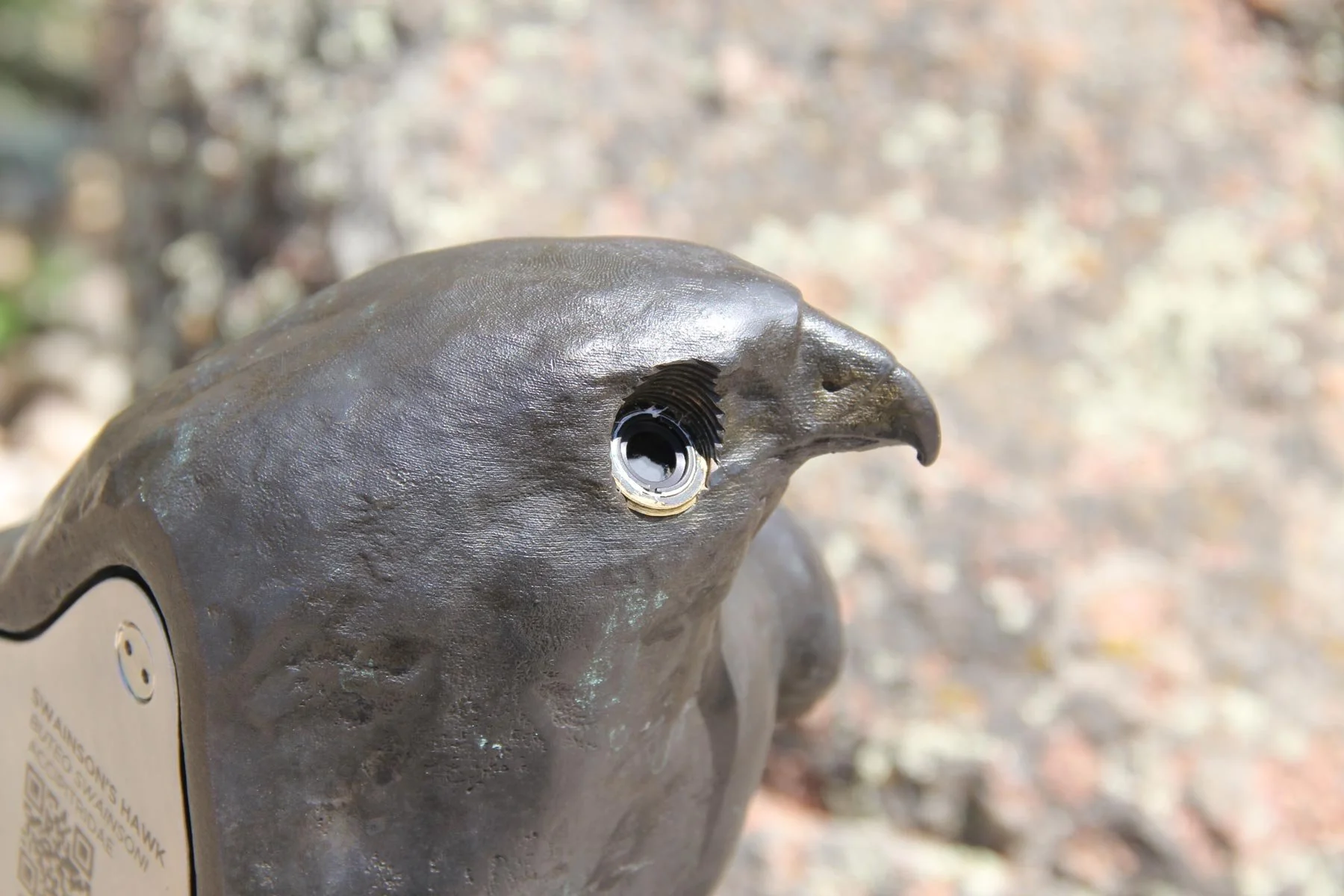
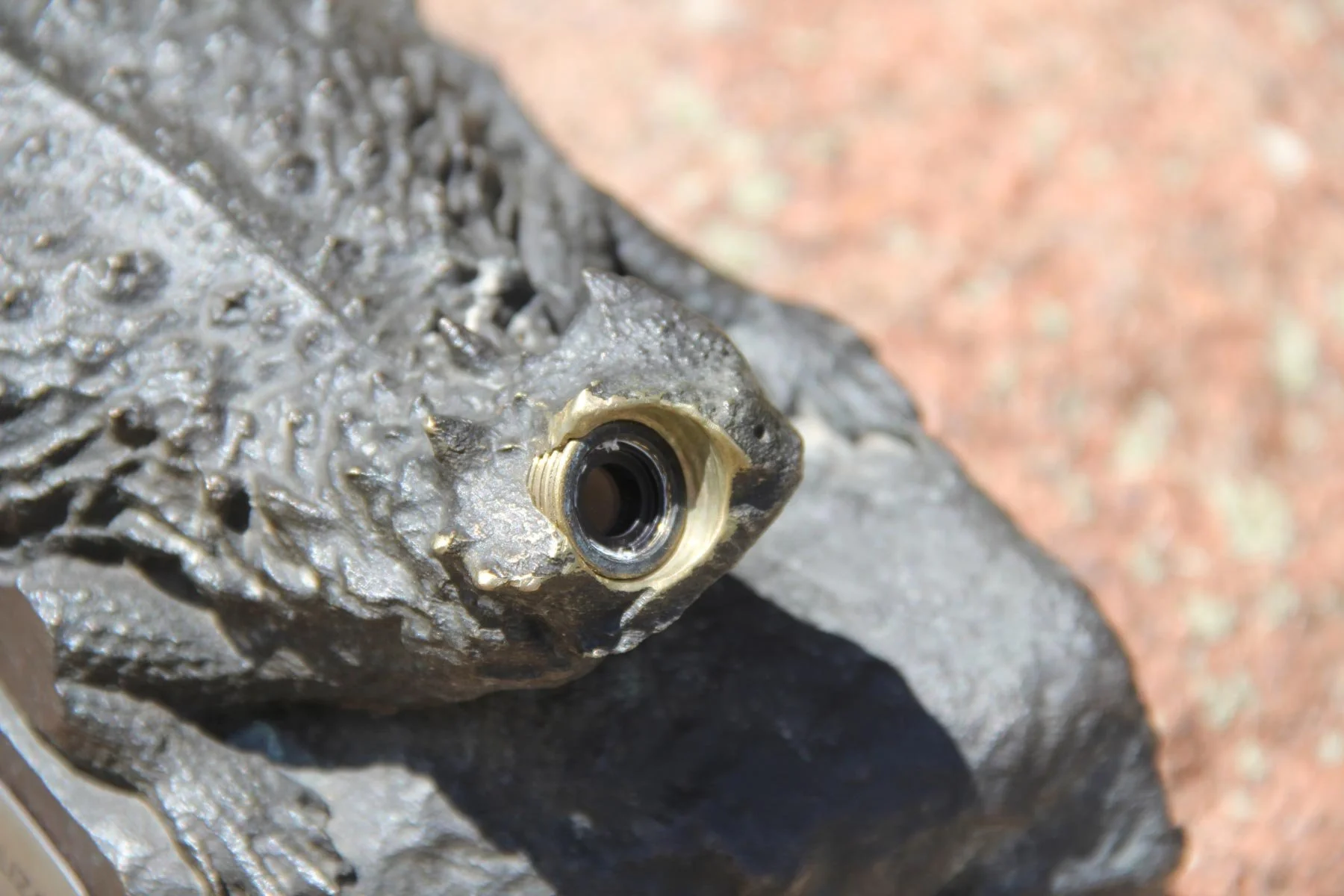
Each of the 8 compact full color 800x600 LED displays is housed within a hermetically sealed brass housing with a gorilla glass lens at the front. These housings are threaded into the eyes of the castings from the inside. Network cables run from computers located inside the building to the animals and supply both power and a video signal.
A stainless steel cover plate secures the electronics and provides further information to viewers though laser applied graphics. A smartphone readable ‘QR’ code has been printed on the plate along with maps that reveal where that animal might be found. Scanning the QR code will direct any device to www.animaleye.space and provides a first person explanation of the animal and it’s world.
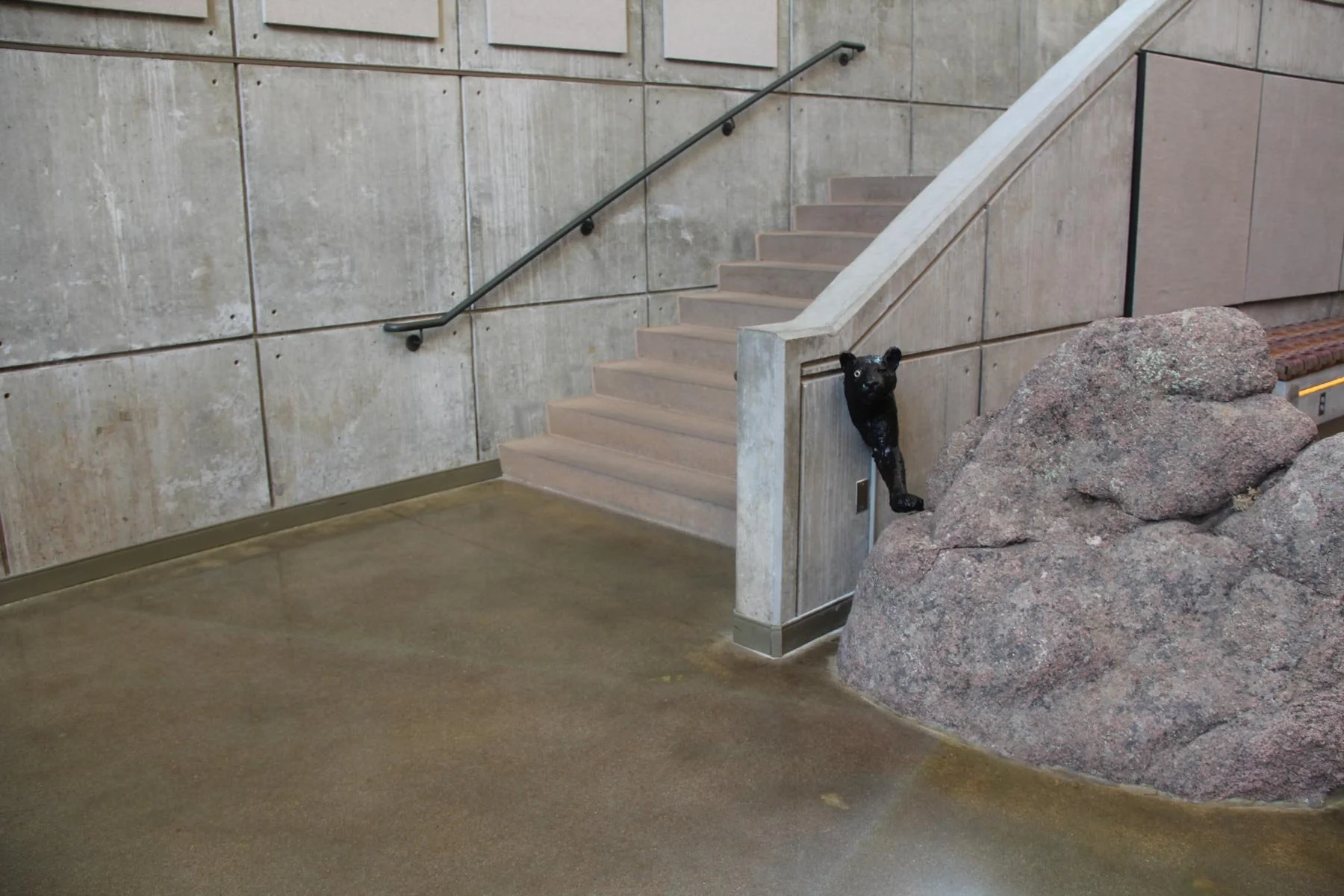
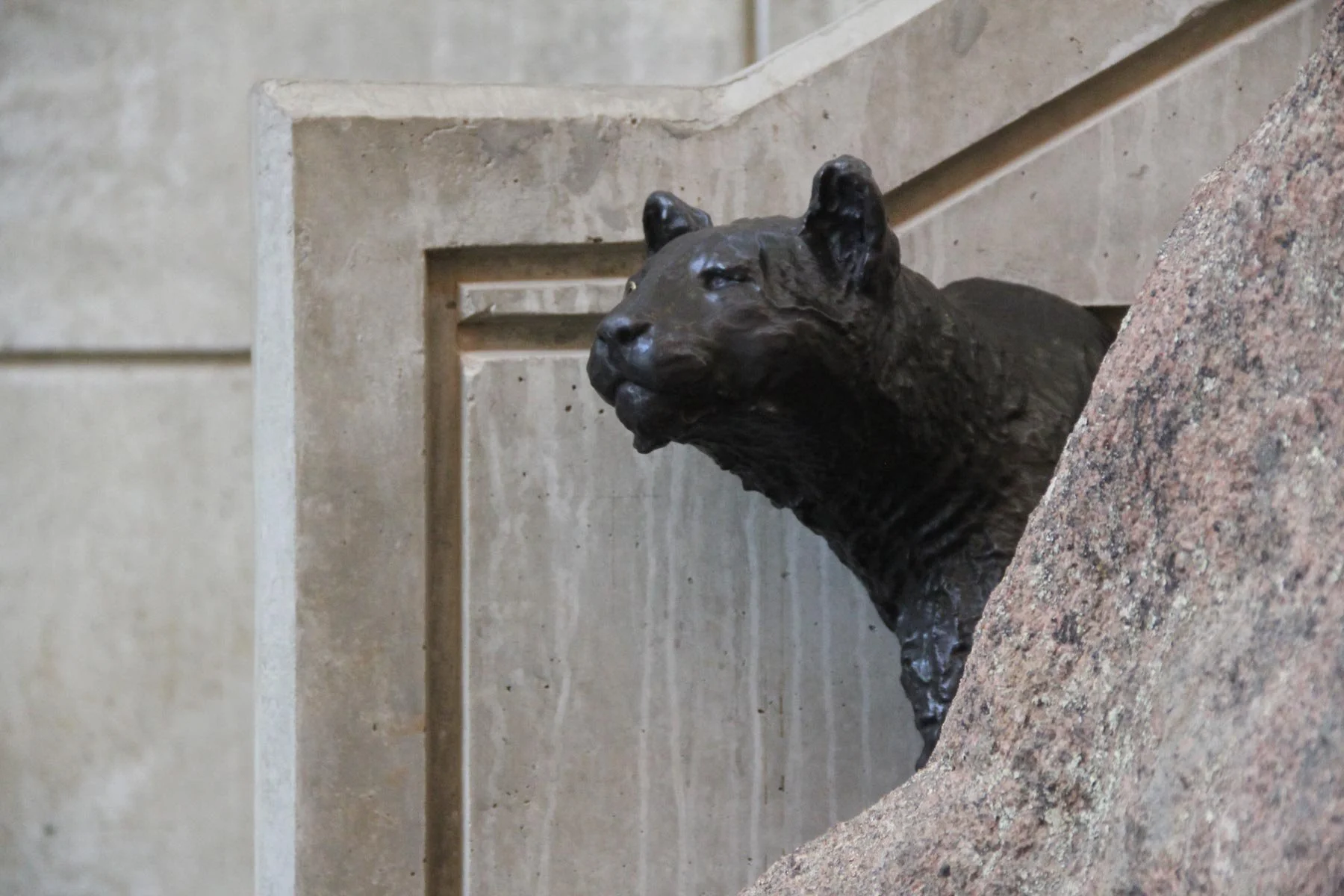
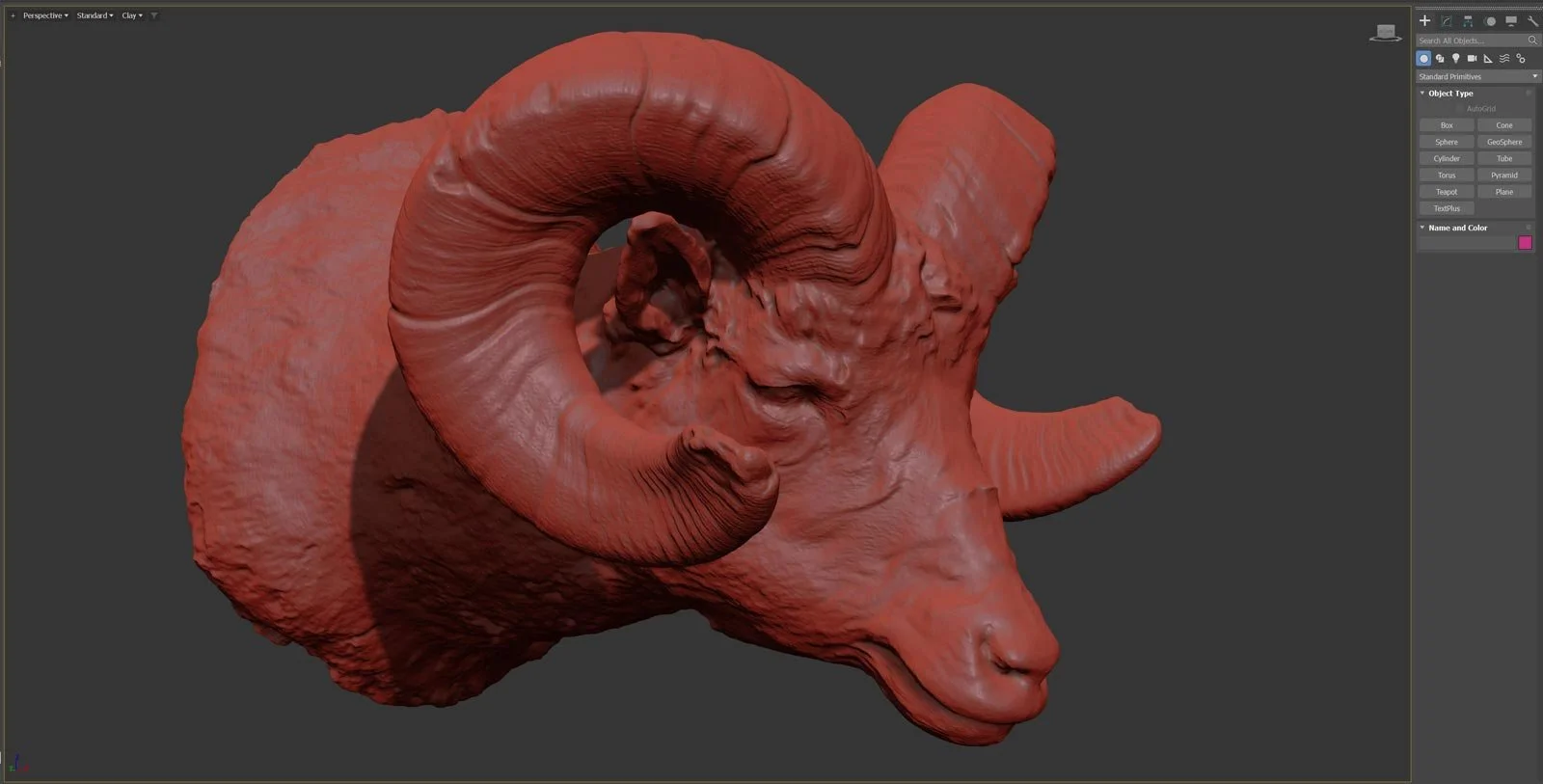
3D digital scans were made of taxidermied animals which were then sliced and modified to be mounted to boulders and to accept the eye insert screens.
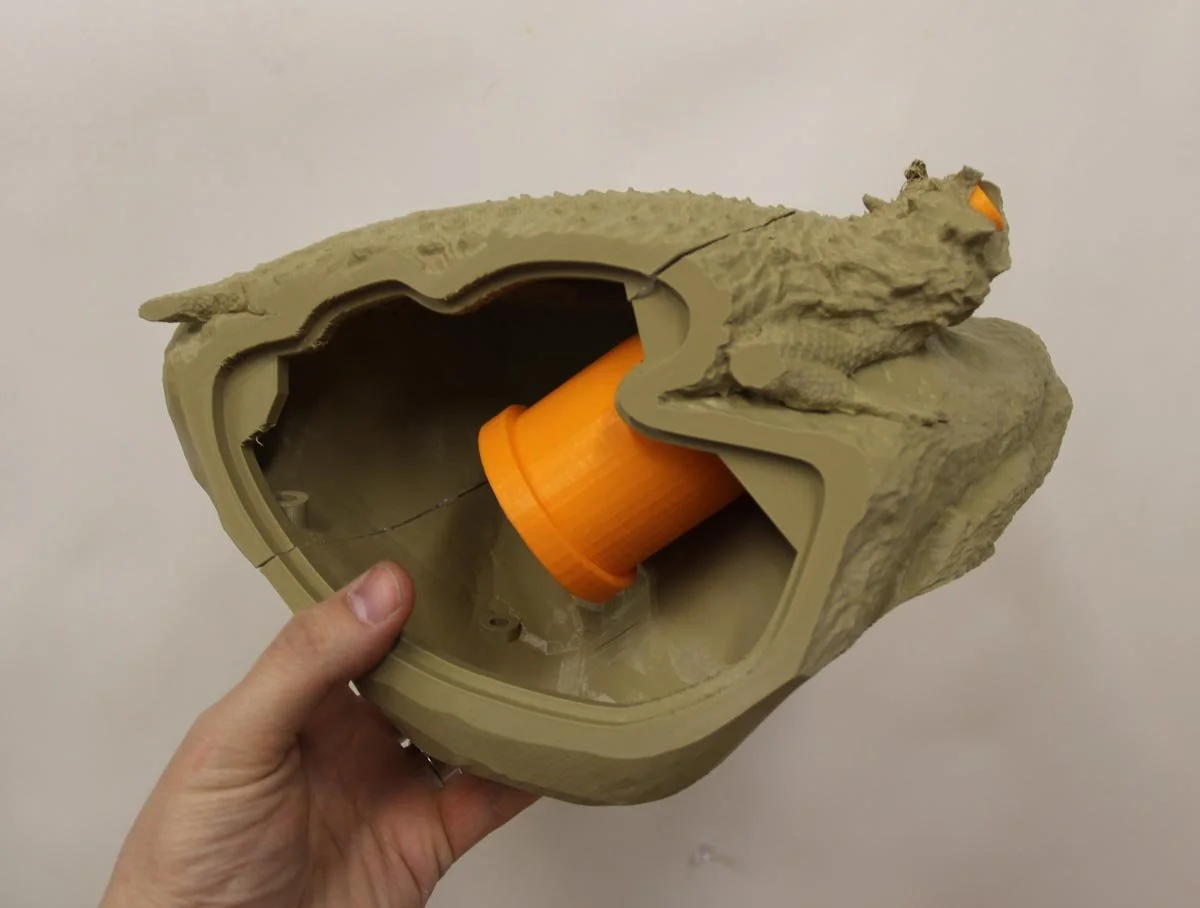
Test 3D prototype of the horned lizard and display housing. Getting all the parts to fit inside these small castings was a significant design challenge.
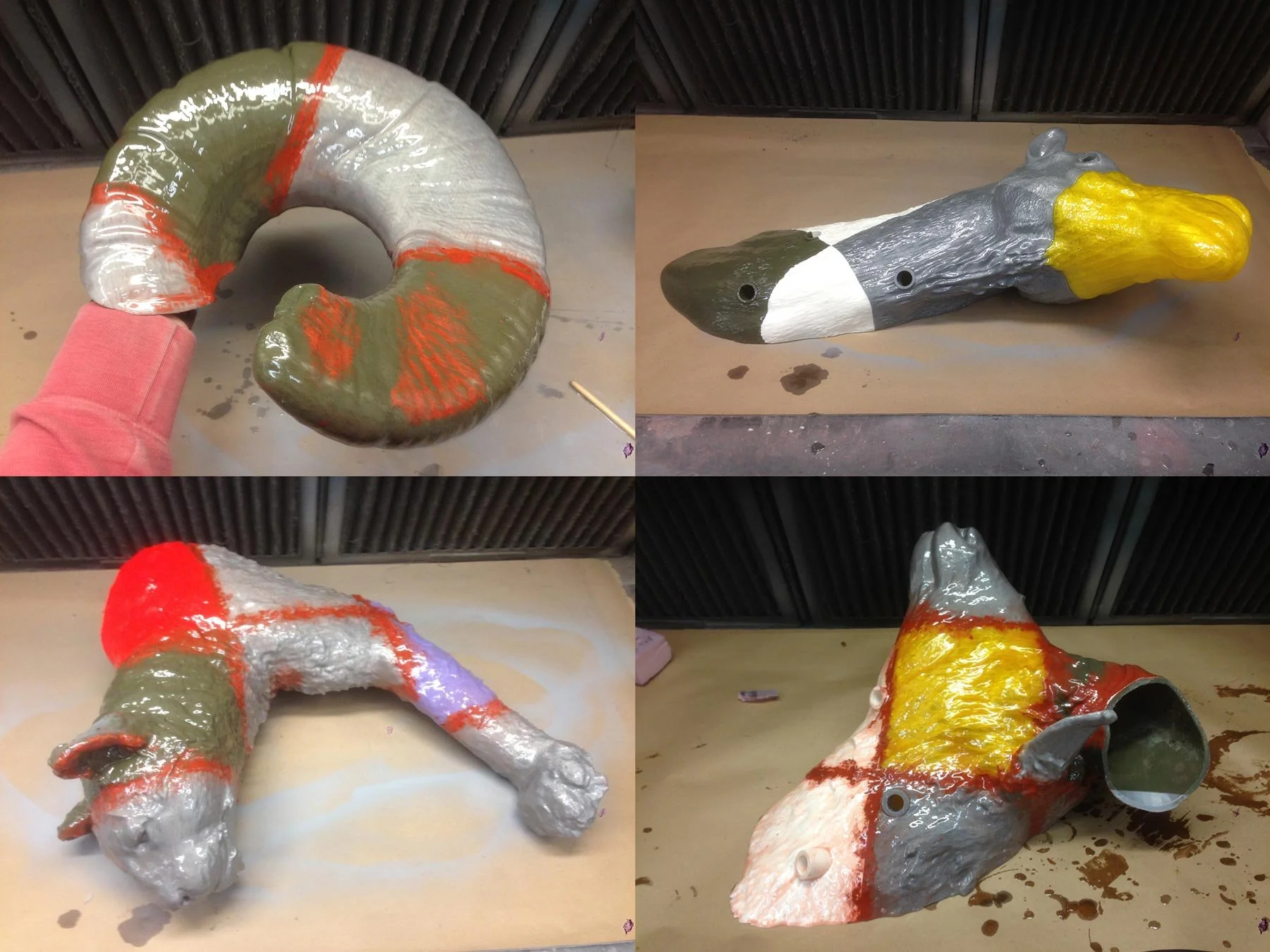
3D printed models of the animals were made in parts and then glued together to make full size masters.
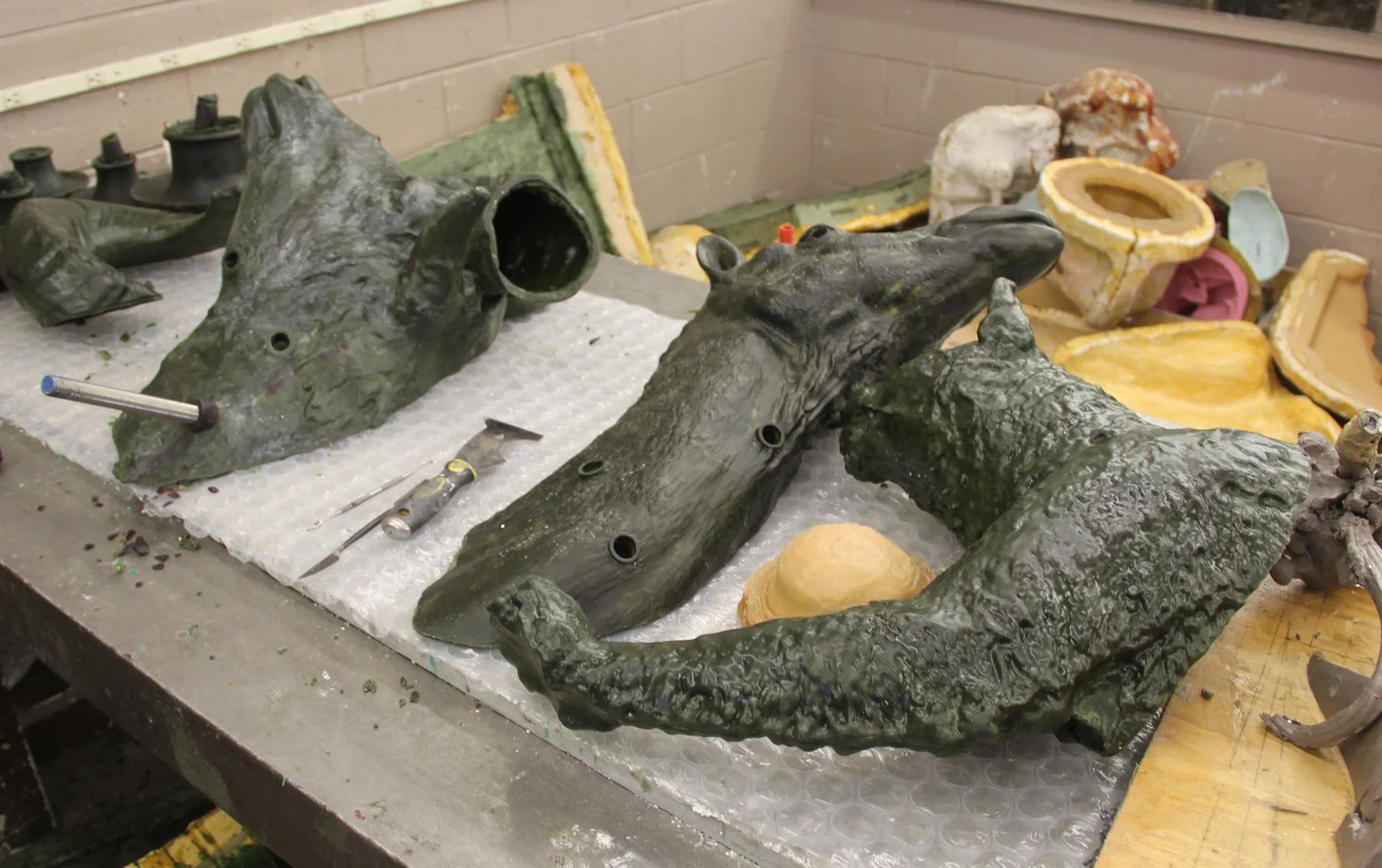
Wax duplicates of the 3D printed masters almost ready for casting in bronze.
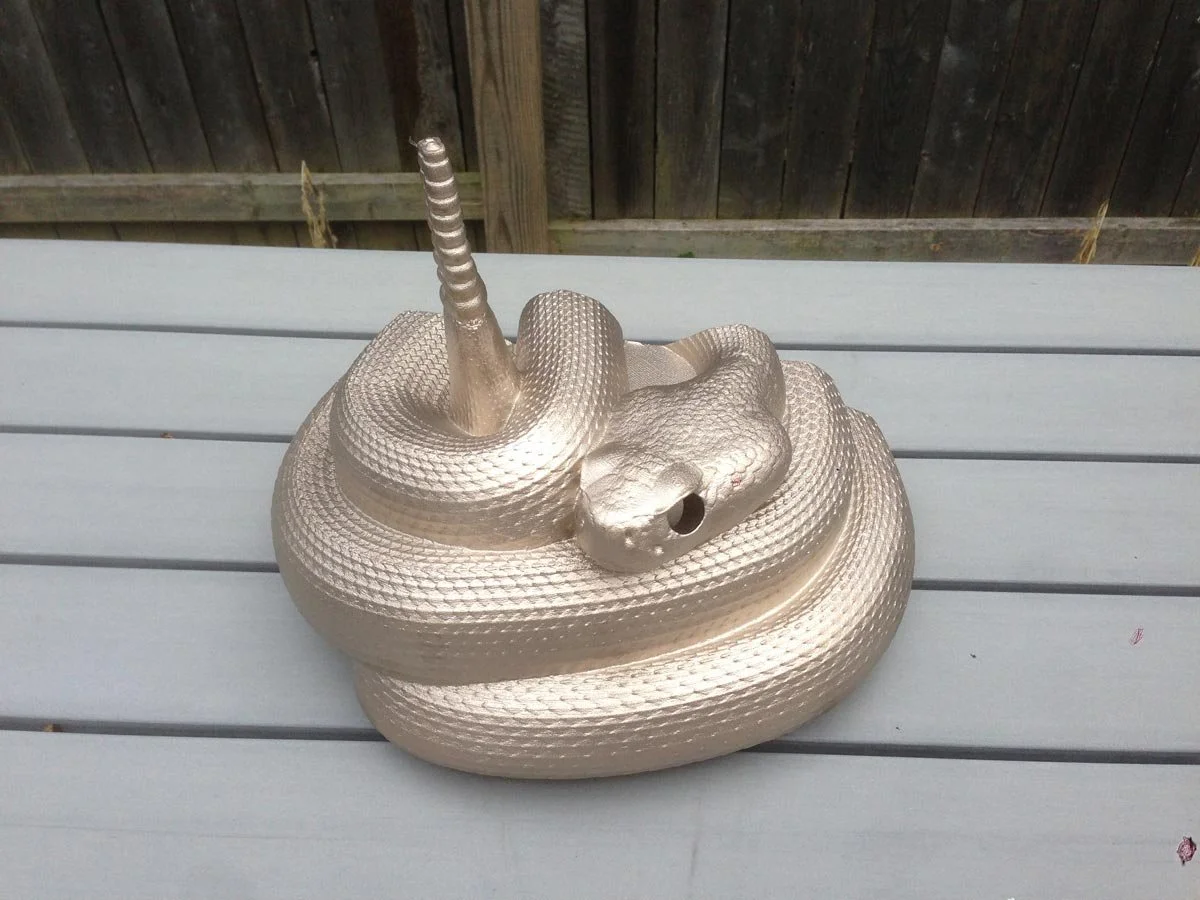
The prairie rattlesnake before applying a patina.
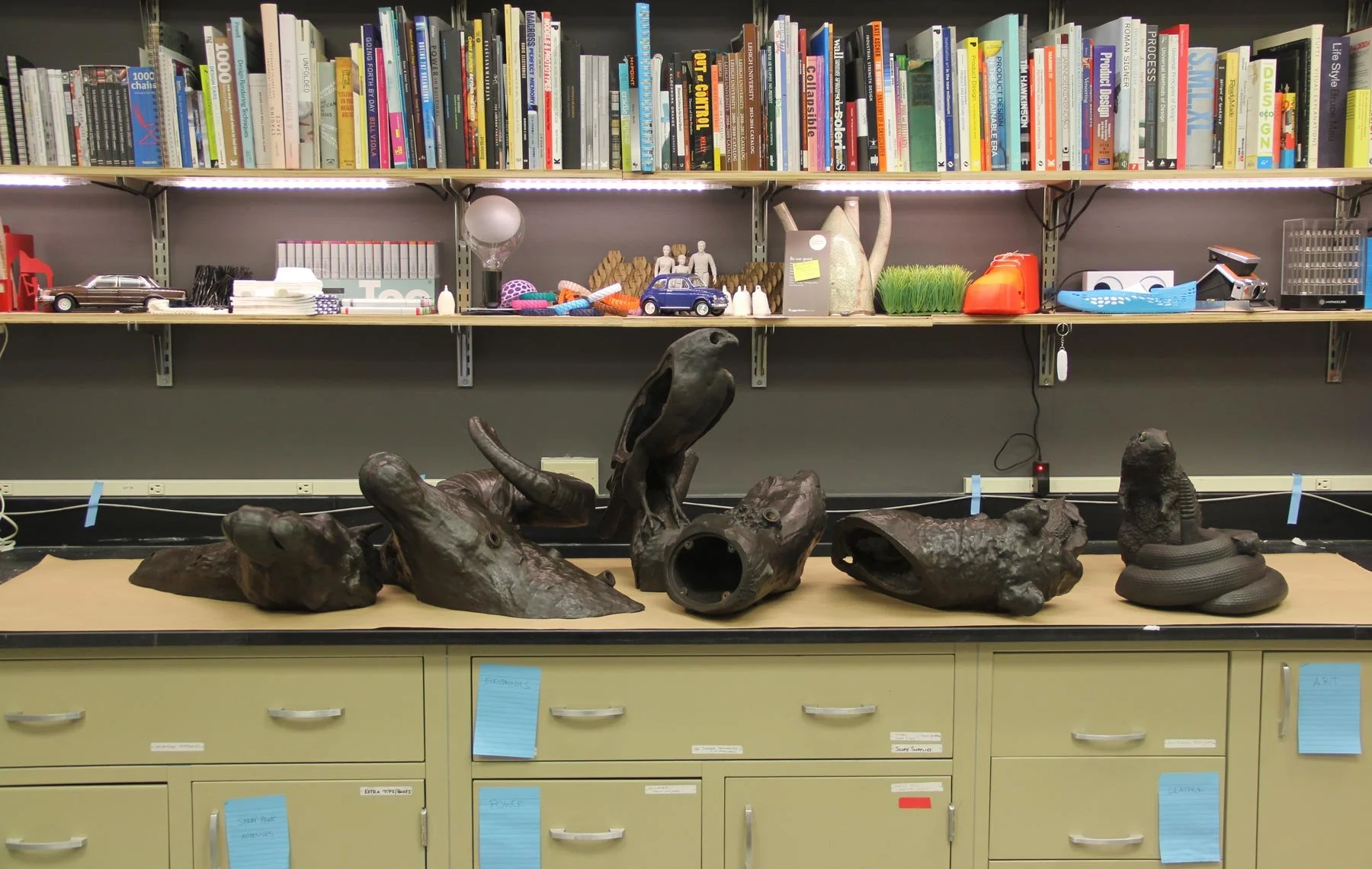
All the bronze castings after having a patina applied.
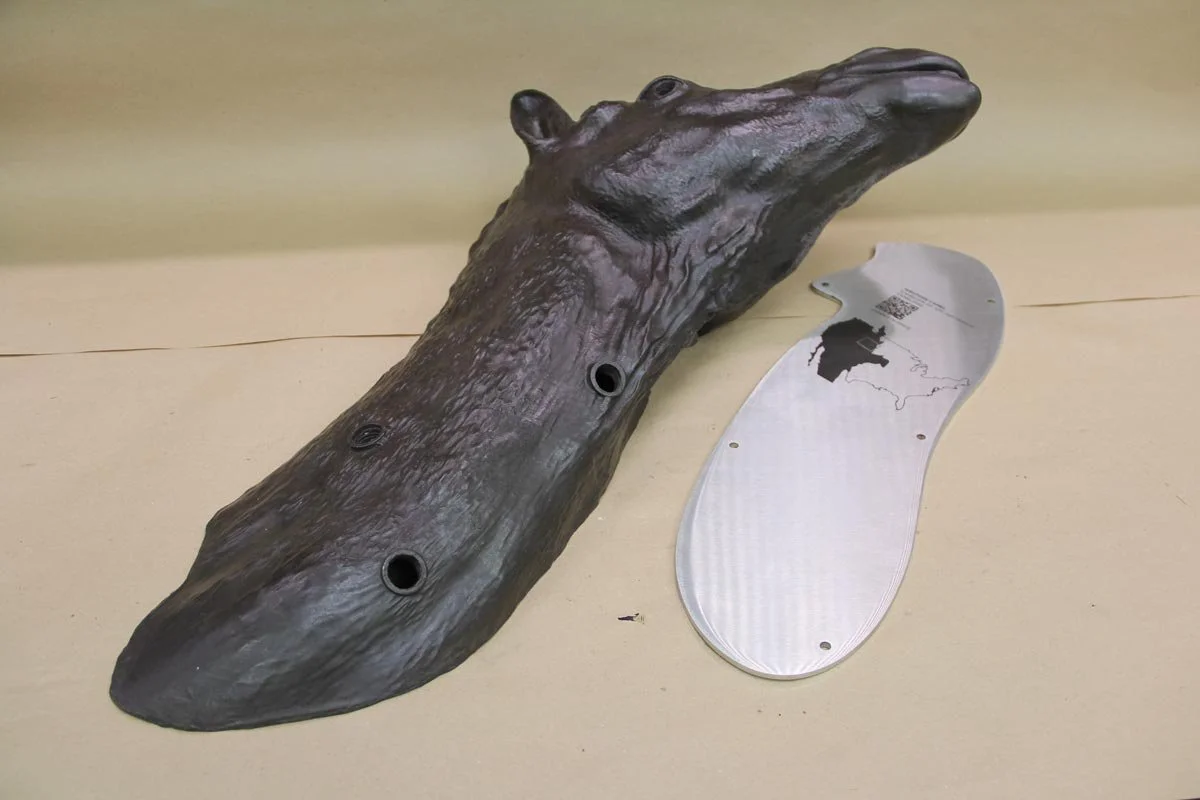
Stainless access panel with infographics.
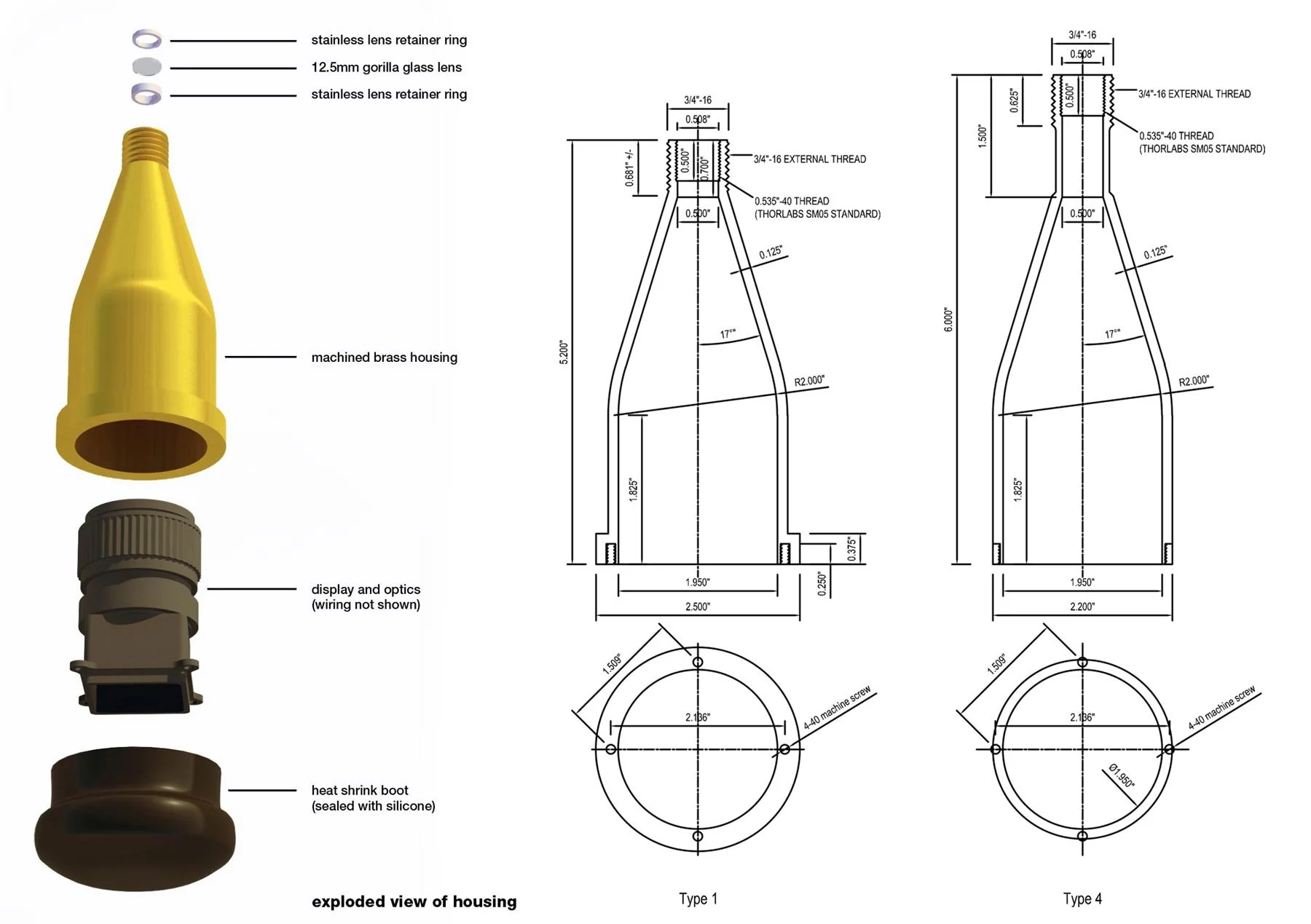
This sealed brass housing contains the tiny full color monitors that thread into the eye holes.
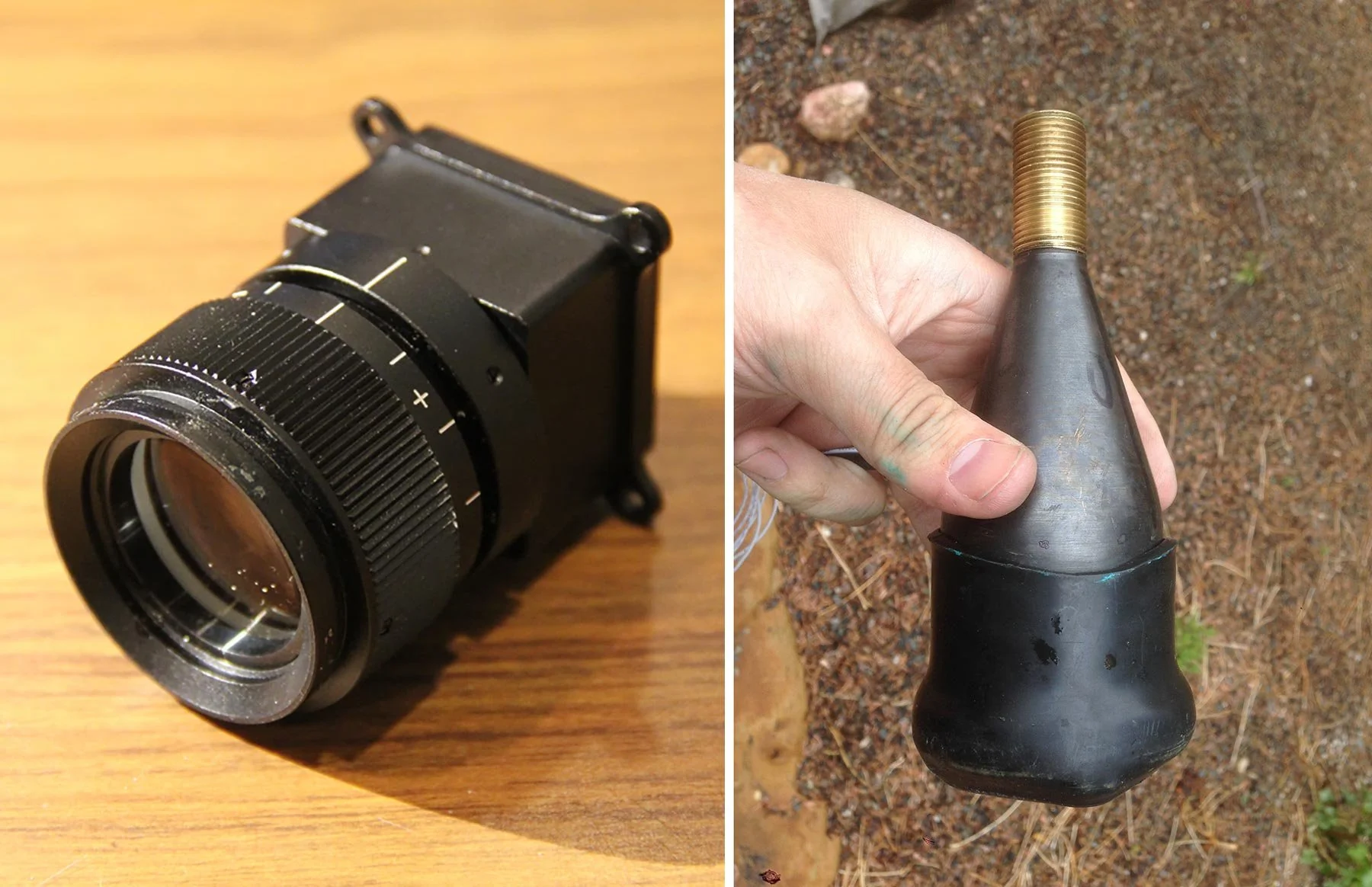
Micro display and housing
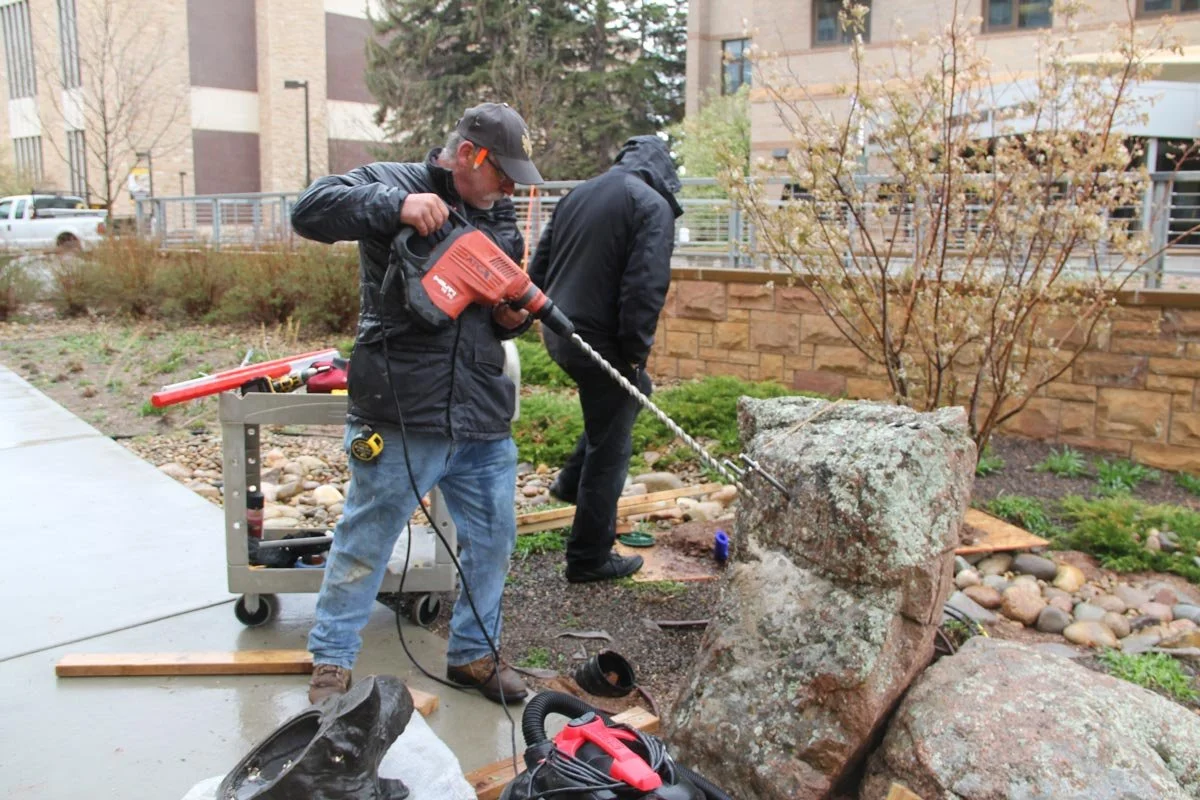
Drilling all the way through boulders .
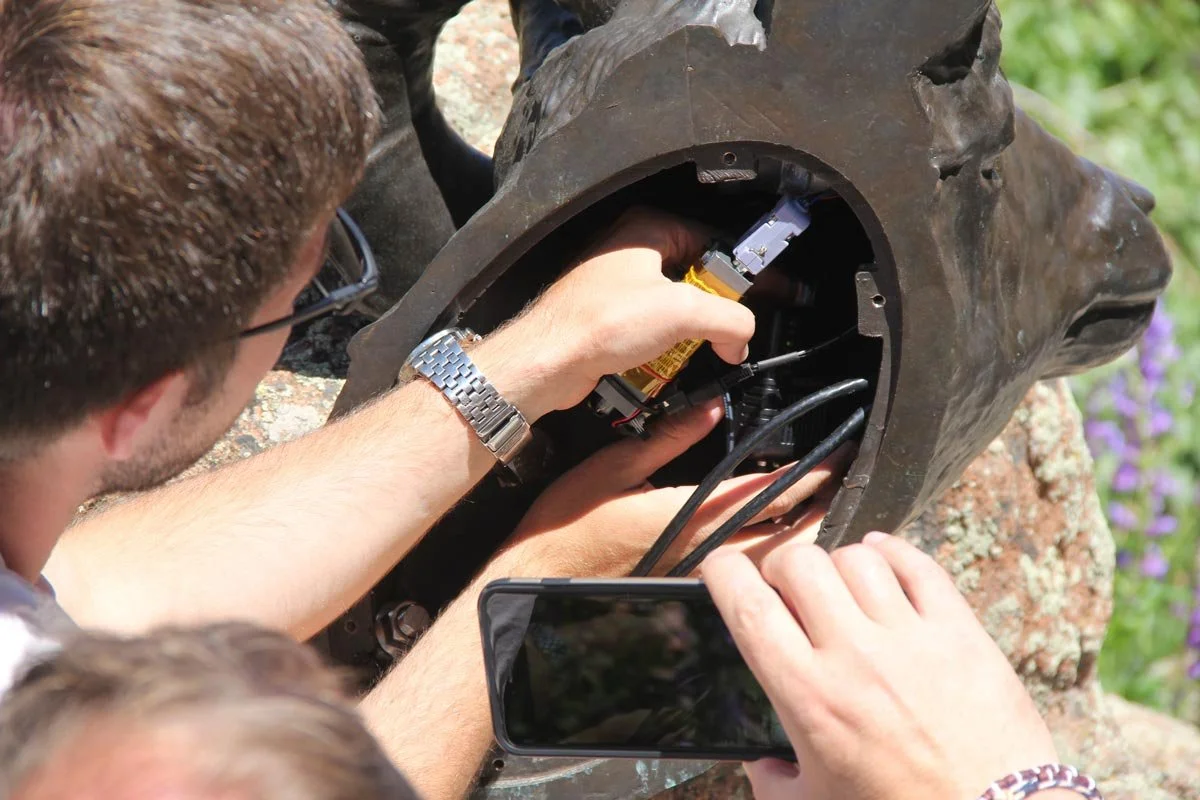
Hardware inside the castings includes warming pads to keep electronic components operating at sub-zero temperatures.
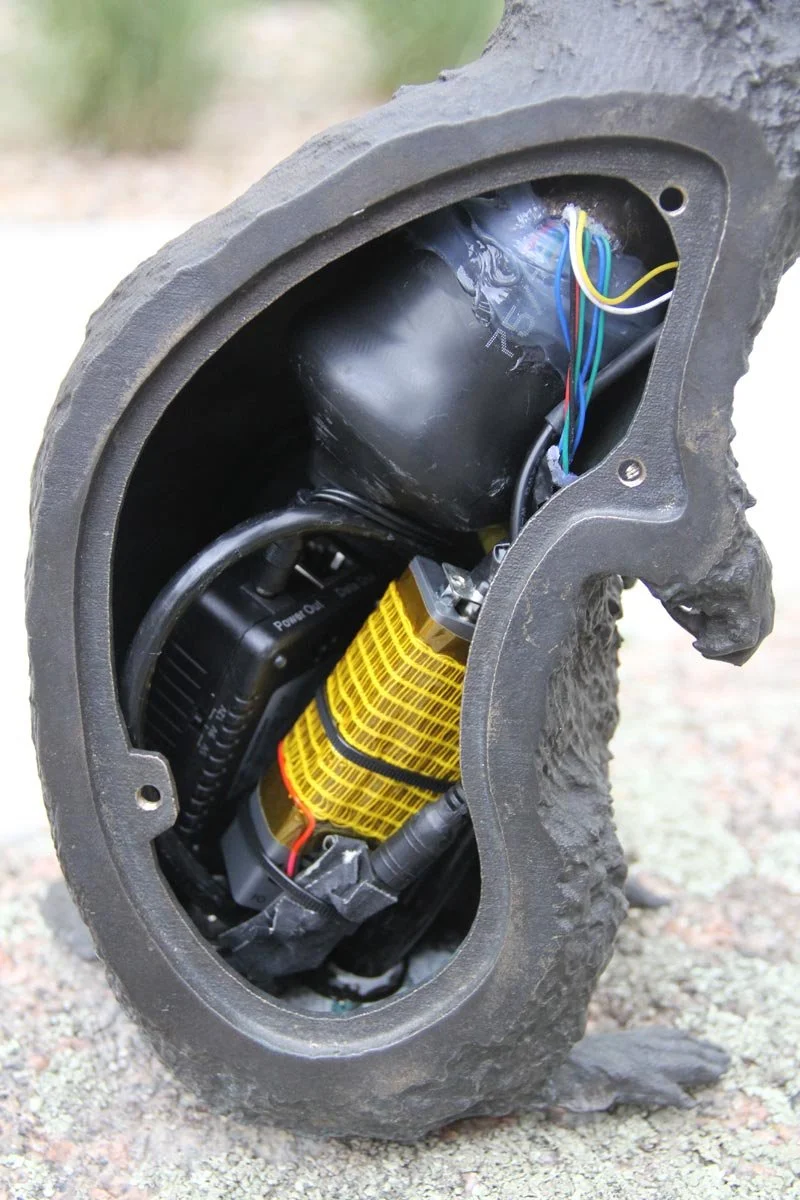
All electronics inside the prairie dog.
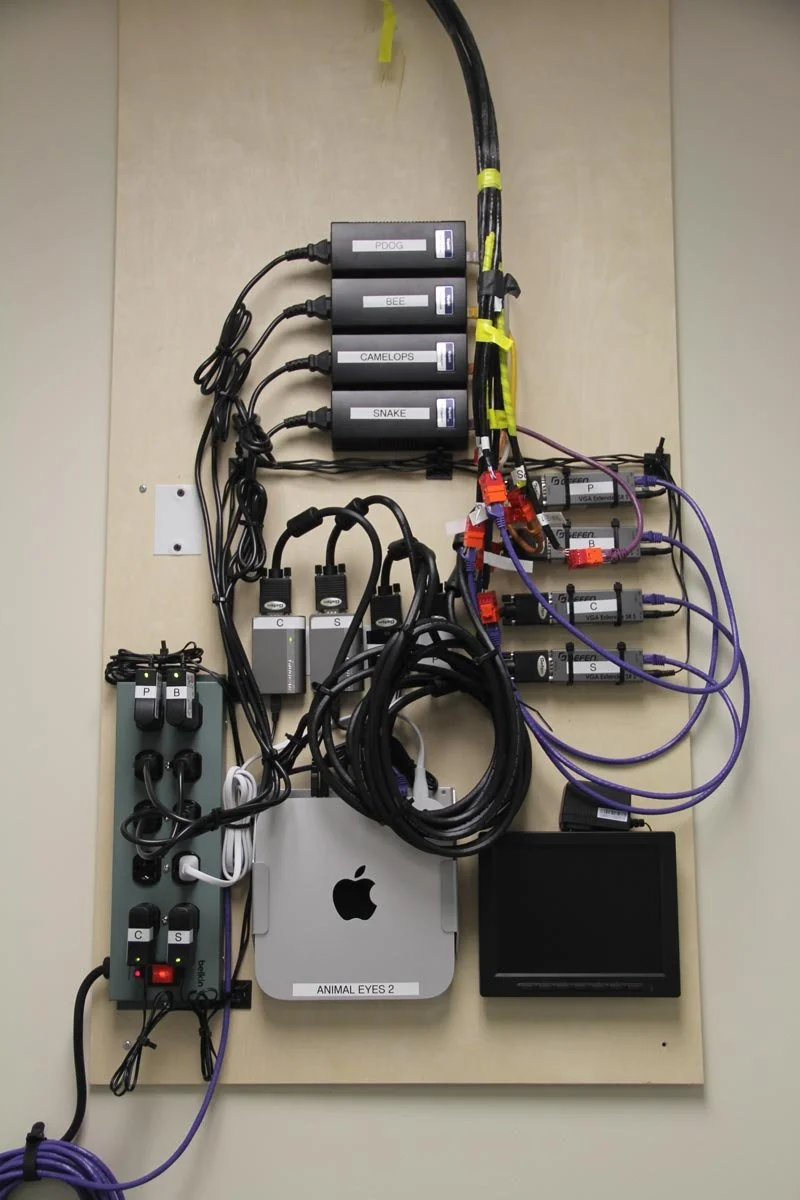
Computer control system